Venezuela has moved to reassure China that its oil prices will be governed by global markets rather than U.S. political pressure, as Caracas seeks to stabilize foreign investment following the dramatic capture of President Nicolás Maduro.
At a press briefing in Beijing, Venezuela’s ambassador to China, Remigio Ceballos, rejected reports suggesting Washington could influence the price China pays for Venezuelan crude. He said Caracas would not accept any pricing arrangements dictated by the United States or other foreign governments.
Caracas Rejects External Control Over Oil Pricing
Ceballos said Venezuela retains full sovereignty over its oil sector. He stressed that crude prices would reflect international benchmarks rather than political deals.
He added that Venezuela has no intention of complying with any unilateral pricing scheme promoted by Washington. According to the ambassador, global supply and demand dynamics remain the sole reference for determining oil prices.
His comments directly addressed reports that the Trump administration had explored mechanisms to pressure Caracas through energy markets.
Trump Administration’s Oil Strategy Raises Alarm
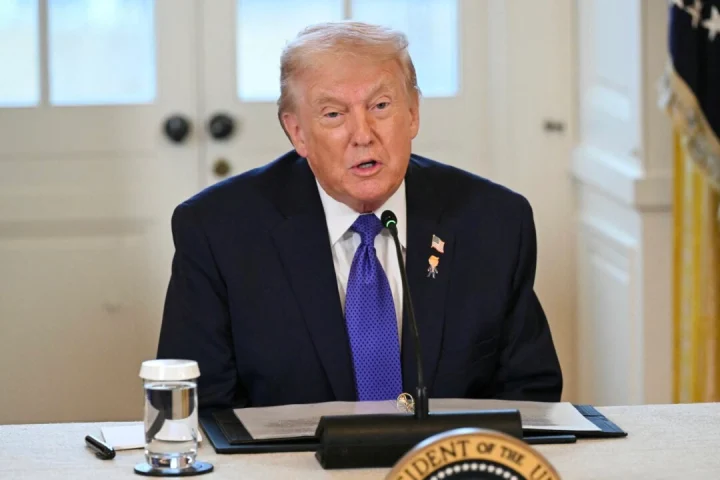
The Wall Street Journal reported last month that President Donald Trump had considered exerting influence over Venezuela’s state oil company, Petróleos de Venezuela SA, commonly known as PDVSA.
The report said Washington examined ways to cap Venezuelan crude prices near $50 per barrel. The proposal aimed to reshape global oil flows while limiting revenue available to Caracas.
Venezuelan officials have consistently denied that such a plan could succeed.
Maduro Capture Reshapes Political Landscape
Ceballos spoke roughly one month after U.S. forces captured Maduro and his wife, Cilia Flores, during a surprise military operation.
The operation marked one of the most dramatic U.S. interventions in Latin America in decades. Following the capture, Washington began asserting influence over Venezuela’s oil exports through sanctions adjustments and supervised sales.
China quickly condemned the operation and called for Maduro’s release, describing the action as a violation of Venezuelan sovereignty.
China Remains Central to Venezuela’s Oil Exports
China has absorbed a large share of Venezuelan crude exports in recent years. U.S. sanctions forced Caracas to sell oil at steep discounts, making Beijing one of its most reliable buyers.
Ceballos said the events surrounding Maduro’s capture would not disrupt bilateral ties. He described China and Venezuela as trusted partners bound by mutual respect.
He added that no third country could undermine that relationship.
Assurance Offered to Chinese Investors
The ambassador also addressed concerns about Chinese investment security.
He said Chinese companies operating in Venezuela have continued normal operations. According to Ceballos, investment flows remain intact across multiple sectors, not only energy.
He said infrastructure, mining, and industrial cooperation projects have proceeded without interruption despite political uncertainty.
Chinese Firms Deeply Embedded in Venezuela’s Energy Sector
Chinese state-owned and private firms play a major role in Venezuela’s oil industry.
China National Petroleum Corporation maintains joint ventures with PDVSA. These partnerships form the backbone of Venezuela’s export capacity.
In August, privately held China Concord Resources Corp announced plans to invest more than $1 billion in a Venezuelan oil project. The company targets output of 60,000 barrels per day by the end of 2026, according to Reuters.
Vast Reserves, Limited Output
Venezuela holds the world’s largest proven oil reserves. Despite that advantage, production remains far below historical levels.
Years of mismanagement, limited reinvestment, and sanctions have constrained output. Infrastructure decay and skilled labor shortages continue to weigh on recovery efforts.
Caracas views foreign capital as essential to reversing the decline.
Washington Frames Intervention as Reform
The Trump administration has presented its approach as a path toward economic recovery.
Officials say U.S.-led reforms could revive Venezuela’s oil sector and attract broader international investment. Higher production, combined with lower prices, would also reduce energy costs for American consumers.
During testimony before Congress, Secretary of State Marco Rubio said U.S. involvement in Venezuelan oil sales was temporary and aimed at stabilizing the country.
Sanctions Eased Through Controlled Oil Sales
According to Reuters, Washington returned $500 million from an initial Venezuelan oil sale to the government in Caracas. A U.S. official said the funds were meant to keep essential state operations running.
The administration has also moved toward issuing a general license. That license would allow companies to trade, transport, and refine Venezuelan crude under specific conditions.
Officials say the step could help revive Venezuela’s energy sector while maintaining leverage.
Shifting U.S. Tone on Foreign Investment
Following the military operation on January 3, the White House reportedly urged Venezuela to sever economic ties with China, Russia, Iran, and Cuba.
However, Trump later signaled flexibility. Speaking aboard Air Force One, he said Chinese and Indian investment would be welcome.
“China is welcome to come in and will make a great deal on oil,” Trump said during a flight to Mar-a-Lago.
Beijing Signals Broader Latin America Strategy
China has framed its Venezuela policy within a wider regional vision.
During a meeting with Uruguayan President Yamandú Orsi, Chinese leader Xi Jinping said Beijing would work with Latin American partners to promote a more balanced global order.
Xi said China respects the sovereignty and development paths of countries across Latin America and the Caribbean.
Orsi became the first South American leader to visit China since Maduro’s capture, underscoring Beijing’s continued engagement with the region.