China has escalated its efforts to control AI-generated media by launching a month-long campaign starting on January 1, 2026, aimed at cracking down on artificial intelligence (AI)-altered video content. The new measures are part of the Chinese government’s ongoing attempt to tighten its grip on short-form videos and AI-generated material, particularly in the realm of digital content that deviates from the regime’s historically curated narratives and political ideologies.
According to state media reports, the National Radio and Television Administration (NRTA), China’s media regulator, has issued a set of regulations focused on controlling “AI magic editing” — the practice of using AI tools to significantly alter images, videos, audio, or text. This practice, which often involves face-swapping, synthetic voice generation, and remixing footage, has become increasingly accessible to the public and is viewed by the regime as a threat to the sanctity of politically sensitive content.
The Focus of the Campaign: Historical and Political Content
The main target of the campaign is content that alters China’s historical dramas, revolutionary films, and portrayals of regime-approved heroes. Authorities are particularly concerned with how AI-generated content, such as AI face-swapping and synthetic voices, can be used to create versions of these works that deviate from their original meaning, potentially distorting historical narratives and political messaging.
According to the official notice, platforms will be required to implement stricter oversight of AI-edited content. This includes enforcing a “review before publication” policy to prevent unauthorized alterations of sensitive material, particularly when it involves historical figures, revolutionary figures, or depictions of Chinese heroes. The regulations stress the importance of identifying content that might deviate from the “original spirit” of the works, with heavy penalties for creators who fail to comply.
Zhou, a content creator specializing in educational videos, told The Epoch Times that AI tools have become increasingly accessible, even to minors. These tools allow users to make quick edits, such as changing faces or modifying content, and publish the material on social media platforms almost instantaneously. Zhou expressed concern that the crackdown was aimed not just at minors, but at broader content issues that challenge the regime’s ideological control.
The Regulatory Focus: Impact on Creative Expression
While AI technologies such as face-swapping and voice synthesis are at the forefront of this new regulation, the real challenge lies in assessing the message behind the alterations. Li, a tech worker involved in platform content review, pointed out that while AI systems can easily detect face swaps and other visual manipulations, it is much harder to assess changes in the underlying message of a piece of content. This, he suggests, requires human judgment, as it involves determining whether the core message has been altered to reflect a viewpoint that challenges the official narrative.
The ongoing concerns over AI-altered content underscore the regime’s increasing scrutiny of online creators and their ability to influence public opinion. Li’s comments suggest that while visual alterations are relatively easy to catch with AI detection tools, more complex forms of content manipulation, where the meaning or narrative is changed, remain much more difficult to monitor effectively.
Growing Scrutiny and Expanding Boundaries
This crackdown on AI-generated content is just the latest development in a broader trend of increased control over digital content in China. Since 2024, the Chinese government has already implemented measures to remove videos that place political figures in entertainment contexts, particularly after such videos gained widespread traction online.
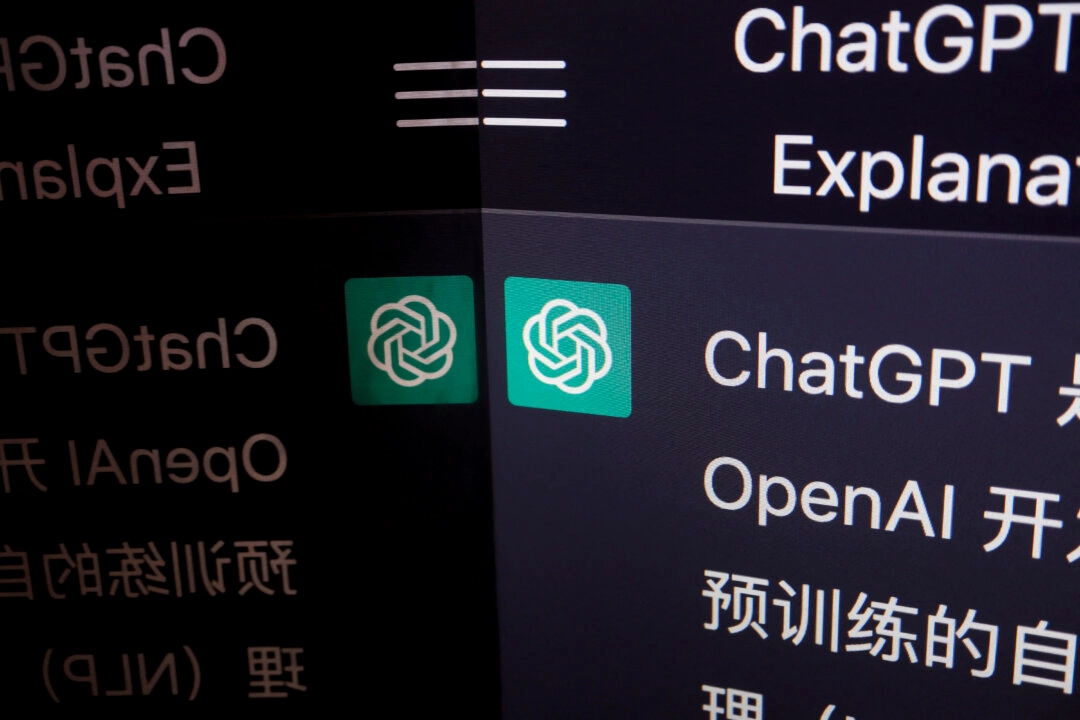
In 2023, China introduced formal regulations on generative AI, which required platforms to manage the creation and dissemination of AI-generated content in a way that aligns with the government’s guidelines. The measures introduced in January 2026 represent another step toward tightening control over digital platforms, as the regime increasingly views AI-generated media as a potential risk to its control over political discourse.
While the new regulations do not specify the exact penalties for those who violate them, it is clear that content creators who fail to comply with the new rules could face administrative penalties. These measures are likely to impact online creators who rely on AI tools to remix and reimagine existing content, particularly when it involves historical, political, or socially sensitive material.
The Role of Social Media Platforms and Content Moderation
Social media platforms are at the heart of the Chinese government’s content control efforts. The new regulations call on these platforms to step up their content moderation practices, including enforcing a review system for AI-generated content before it is published. Platforms that fail to adequately manage AI-altered content may face penalties, particularly if they allow content that deviates from government-approved narratives to spread unchecked.
The campaign also highlights the regime’s ongoing efforts to prevent the spread of unapproved or “counterfeit” narratives, especially when it comes to topics related to Chinese history, political ideologies, and national identity. Authorities have warned platforms to increase their vigilance when it comes to content that might challenge or reinterpret these sensitive areas.
The Global Context: China’s Growing Control over AI-Generated Content
The Chinese government’s tightening of controls on AI-altered content is part of a broader global trend where governments are increasingly grappling with the implications of generative AI in media. The rise of AI tools like deepfakes and automated content creation has led to concerns about the spread of misinformation, the manipulation of public opinion, and the potential for AI to be used as a tool of propaganda.
In China, the government has taken a particularly proactive stance, seeking to ensure that AI technologies align with the state’s political and ideological objectives. The regime’s insistence on controlling AI-generated content reflects its broader desire to maintain strict oversight over digital media and limit the spread of content that could undermine its authority.
China’s approach to AI-generated content is not unique, as other countries, including the United States and European nations, are also exploring ways to regulate the use of AI in media. However, China’s approach stands out due to its emphasis on aligning AI with the regime’s political goals and its ability to swiftly implement regulations that govern digital platforms.
Looking Ahead: Will Enforcement Expand?
As of now, the Chinese government has not disclosed how it will assess the success of the ongoing campaign or whether further actions will be taken in the future. Observers are closely watching to see whether the scope of these measures will expand to include more forms of AI-generated content or whether the crackdown will target private expression and creative works even further.
Some content creators in China have expressed concern that the boundaries of enforcement could continue to shift, potentially leading to a broader suppression of digital content. With the increasing integration of AI in content creation, the regulatory landscape is likely to evolve as China continues to refine its approach to managing this new wave of digital media.
A Tightening Grip on AI-Generated Content
China’s latest move to regulate AI-edited videos signals a further tightening of the country’s control over digital media. As AI tools become more accessible and increasingly influential in content creation, the Chinese government is keen to prevent any deviation from its carefully curated narratives. The new rules focus on ensuring that AI-generated media aligns with the regime’s historical, political, and ideological priorities, limiting the ability of creators to use AI to challenge or reinterpret official narratives.
As the campaign unfolds, content creators and platforms in China will need to navigate an increasingly complex regulatory environment, with penalties for non-compliance hanging over those who push the boundaries of AI-generated content. The outcome of this initiative could set a precedent for how AI in media is regulated globally, as governments grapple with the challenges posed by the rapid growth of generative AI technologies.