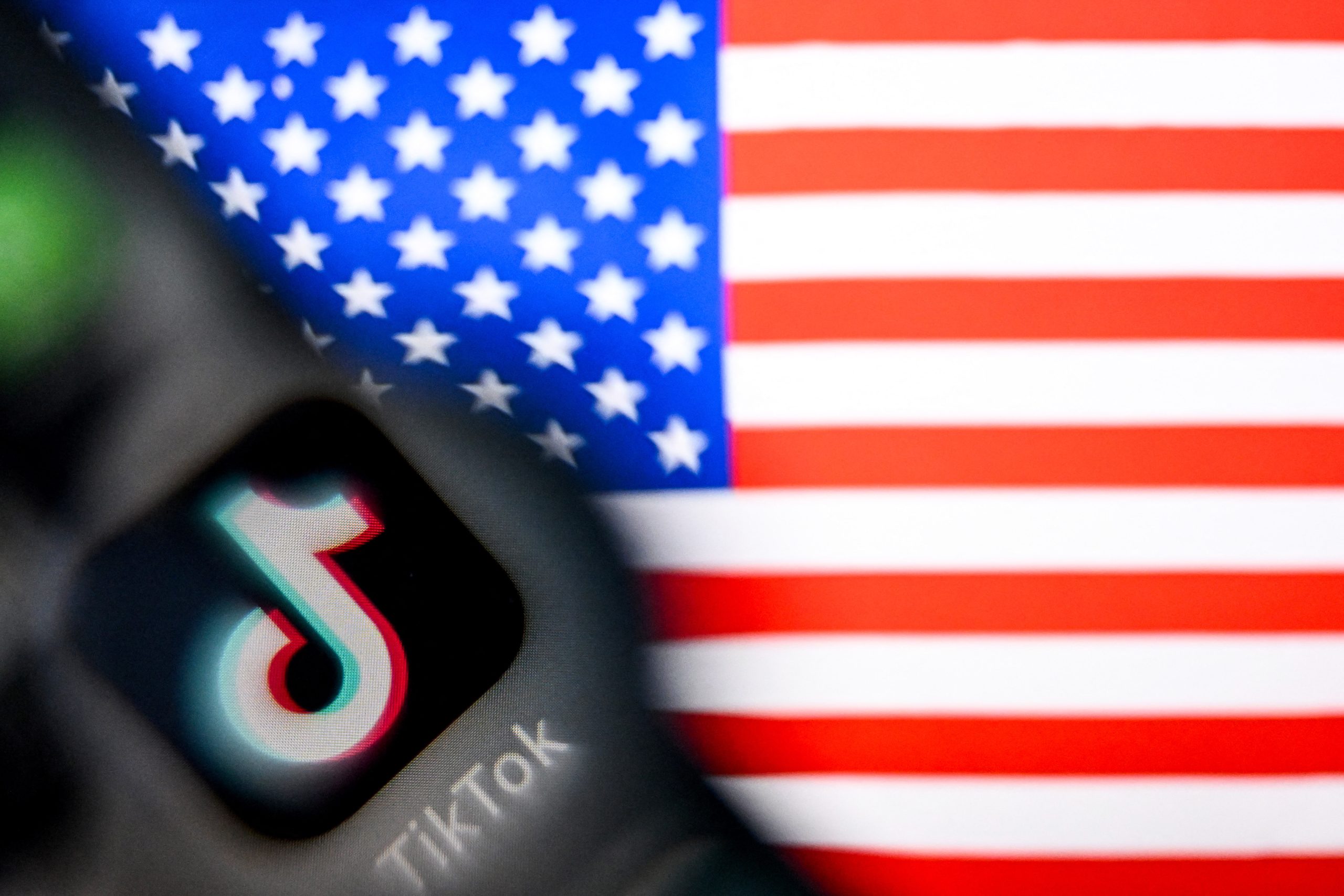
a major milestone was reached as Meta, ByteDance, and a group of U.S. companies finalized the deal for TikTok’s U.S. operations. The agreement ends years of national security concerns and legal challenges surrounding the Chinese-owned app, and it introduces a new era of governance for TikTok in the U.S. With ByteDance still holding a minority stake, this new venture places U.S. companies at the helm of TikTok’s operations, ensuring that U.S. data and algorithm security are under American control.
The Road to the Deal: Why TikTok’s Ownership Was at Stake
The controversy surrounding TikTok in the U.S. began long before the finalization of this deal. TikTok’s acquisition by ByteDance in 2017 sparked concerns among U.S. officials regarding national security. These concerns stemmed from the belief that ByteDance, being a Chinese company, could be forced by the Chinese Communist Party (CCP) to share data or influence content in a way that could harm U.S. interests.
The investigation into TikTok’s security practices stretched over multiple U.S. administrations, with President Trump issuing an executive order in 2020 calling for the sale or divestment of TikTok’s U.S. operations. This was part of a broader effort to prevent Chinese influence over American users’ data. The U.S. government argued that the Chinese regime’s intelligence-sharing laws made it impossible for ByteDance to guarantee that U.S. user data would be protected from government access.
In response, ByteDance repeatedly sought to demonstrate that it was not controlled by the CCP and proposed alternatives to the forced sale of TikTok’s U.S. operations. However, U.S. officials were not convinced, arguing that the Chinese regime’s influence on ByteDance could still present significant risks to national security.
The final blow came with the passing of the “Protecting Americans from Foreign Adversary Controlled Applications Act” in 2024. This law required companies owned or controlled by foreign adversaries to sever connections with the U.S. market, specifically targeting ByteDance’s ownership of TikTok. The deadline for ByteDance to divest itself of TikTok’s U.S. operations was set to coincide with the end of President Joe Biden’s first term, setting the stage for a potential sale.
The TikTok USDS Joint Venture: New Leadership and Ownership Structure
The finalized deal establishes the TikTok U.S. Data Security (USDS) Joint Venture, a governance structure that will oversee the U.S. operations of TikTok. Under this new agreement, ByteDance retains a minority stake—19.9 percent—while U.S.-based companies Oracle, Silver Lake, and MGX are managing the venture. Each of these managing investors holds a 15 percent stake.
The USDS Joint Venture’s creation comes with a seven-member board of directors responsible for overseeing TikTok’s operations in the U.S. This board includes key figures from the tech industry, such as Shou Chew, CEO of TikTok; Timothy Dattels, a senior adviser at asset manager TPG Global; and Egon Durban, co-CEO of private equity firm Silver Lake. Additionally, Mark Dooley, a managing director at Susquehanna International Group, and Oracle’s Kenneth Glueck are part of the leadership team.
The appointment of Raul Fernandez as the independent director and chair of the security committee, along with David Scott’s appointment to the same committee, shows the new venture’s focus on security. Fernandez, who is the CEO of IT consultancy DXC Technology, and Scott, who is the chief strategy officer at MGX, will play a crucial role in overseeing security measures for U.S. user data.
The board also named Adam Presser as CEO of the joint venture and Will Farrell as Chief Security Officer. Presser, who has experience leading TikTok’s global operations and trust and safety efforts, and Farrell, who has a cybersecurity background, will be pivotal in shaping the new joint venture’s direction.
TikTok’s New Structure: What Will Change for Users?
One of the most pressing questions after the deal was finalized is whether TikTok users in the U.S. will see any changes in the app. White House officials have assured the public that there will be no disruption to the service itself. The primary purpose of the joint venture is to satisfy the national security requirements outlined in the 2024 law, ensuring that U.S. data is handled securely and that TikTok’s algorithms are transparent.
A major concern surrounding TikTok has been its algorithm, which many critics have argued is opaque and potentially manipulated. In particular, researchers have pointed out that the app has been accused of suppressing content critical of the Chinese government’s human rights abuses. The joint venture will take charge of the app’s algorithm, ensuring it adheres to security mandates while also overseeing content moderation.
Oracle will serve as the “trusted security partner” for the joint venture, tasked with securing U.S. user data and reviewing TikTok’s source code. This role is crucial in maintaining transparency and ensuring that data is kept secure on U.S. soil.
Additionally, the joint venture will implement a data privacy and cybersecurity program, which will be audited and certified by third-party experts. This was a solution that ByteDance had proposed previously as an alternative to the full divestment of TikTok’s U.S. operations. Now, the joint venture will take on the responsibility of making sure the program meets the required standards.
Will This End the TikTok Controversy?
While this agreement marks a major turning point, it is unlikely that the TikTok controversy is completely over. Despite the creation of the joint venture and the reassurances regarding data security, concerns about content manipulation, algorithm transparency, and potential foreign influence may continue to be raised. Lawmakers, especially those on the House Select Committee on the Chinese Communist Party (CCP), are set to review the deal in detail. Rep. John Moolenaar (R-Mich.), chair of the committee, has emphasized the need to ensure that the Chinese government does not exert control over TikTok’s operations or algorithm.
The committee’s upcoming hearing with the leaders of the new joint venture will likely delve deeper into these issues. Legislators will need to assess whether the joint venture truly safeguards U.S. data and protects users from foreign influence, and whether it will live up to the requirements laid out in the 2024 law.
The Future of TikTok in the U.S.
The deal’s finalization is an important step toward resolving the ongoing concerns surrounding TikTok’s operations in the U.S. By establishing a U.S.-led joint venture, TikTok will be able to continue operating while adhering to stricter national security regulations. However, as the app moves forward under new leadership and governance, its future will likely continue to be scrutinized by lawmakers, cybersecurity experts, and users alike.
The joint venture’s ability to ensure transparency, safeguard data, and maintain the app’s popular features will be key in determining whether TikTok can regain its place as a trusted platform in the U.S. or if the concerns about foreign influence and data security will continue to overshadow its operations.