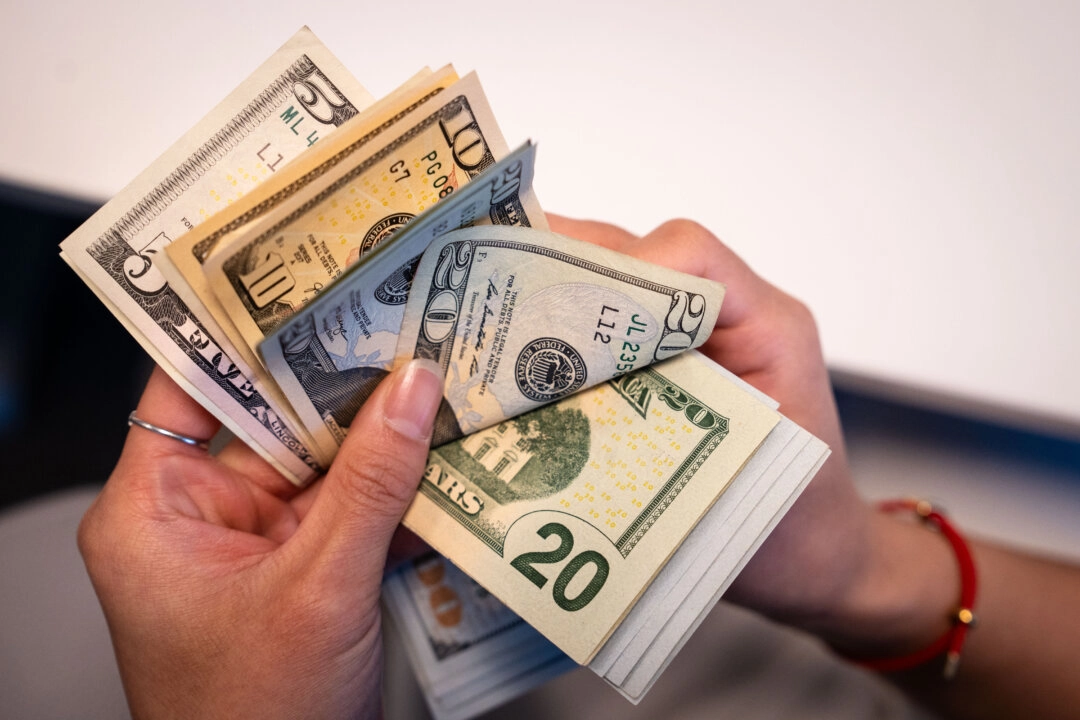
The U.S. dollar experienced a slight strengthening on January 5, 2026, following the arrest of Venezuelan President Nicolás Maduro by U.S. forces. Investors are now looking closely at upcoming economic data, including the U.S. Employment Situation report, ISM Manufacturing PMI, and other key indicators, which will shape the next phase of dollar performance. As the currency rose 0.41% on the U.S. Dollar Index (98.82), it marked the continuation of a daily gain streak since December 30, 2025. However, the geopolitical developments surrounding Venezuela and their potential to alter global markets have added new layers of uncertainty for investors to navigate.
The Arrest of Nicolás Maduro: A Geopolitical Game-Changer
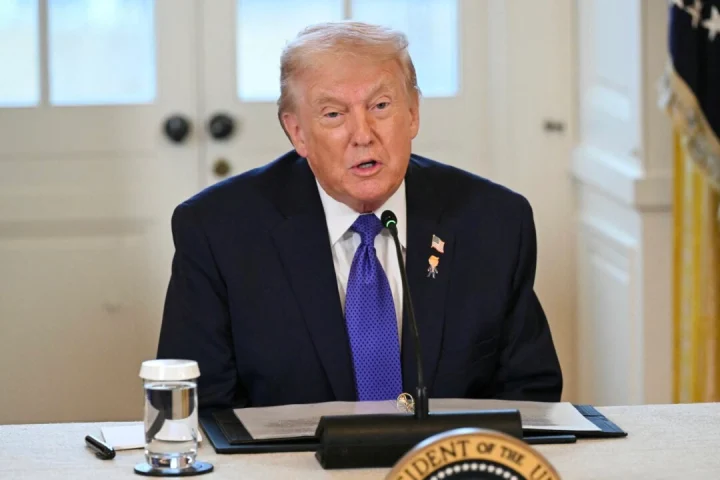
On January 3, U.S. forces arrested Nicolás Maduro, the leader of Venezuela, after President Donald Trump issued an order for his capture. This bold military action in Venezuela marks a significant shift in U.S. foreign policy toward the region and may have lasting implications for the global economy, particularly in the oil market. Maduro has long been on the U.S. government’s wanted list for his alleged involvement in narcotics trafficking and links to terrorist organizations, and his arrest came after years of mounting political and economic tensions between the U.S. and Venezuela.
Maduro’s arrest has already had an immediate effect on global markets. The initial response has been a “modest flight to quality,” according to ING Bank, which noted that this has provided some support to the U.S. dollar. As investors seek stability amid uncertainty, the liquidity and safety associated with the dollar are increasingly attractive. The news has led to renewed scrutiny of U.S. military actions and foreign policy, particularly if further interventions occur in Latin America.
U.S. officials, including President Trump, have suggested the possibility of a second strike in Venezuela if its leaders do not comply with U.S. directives. Trump also made comments warning that other countries in the region, such as Mexico and Colombia, could face U.S. military action aimed at targeting drug traffickers. The prospect of continued U.S. intervention in Venezuela has raised concerns about how such actions could escalate and impact the broader region.
U.S. Dollar Performance and Investor Sentiment
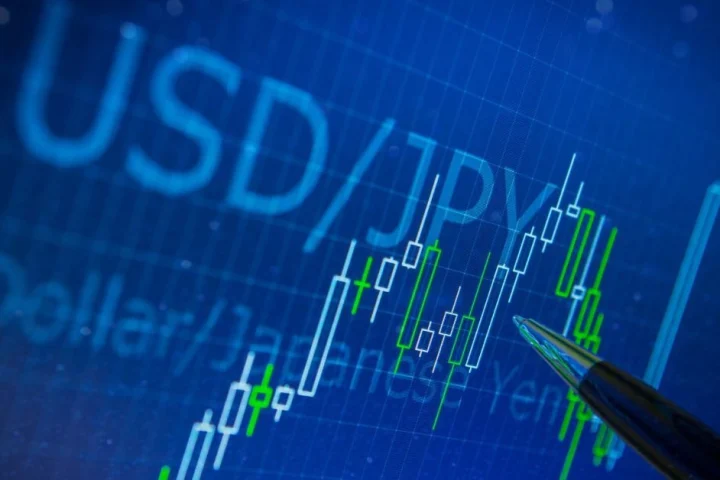
The U.S. dollar index (DXY), a key measure of the dollar’s strength against a basket of currencies, has seen consistent gains since late December 2025, with a 0.41% increase noted on January 5. As of the morning of January 5, the index stood at 98.82, continuing its upward trajectory. Despite this, the dollar had been on a decline throughout 2025, peaking at around 110 in early 2025 before settling closer to 98 in early 2026.
The economic data due for release over the next week will be pivotal for the U.S. dollar’s performance. Key reports include the U.S. Employment Situation data, expected on January 10, as well as the ISM Manufacturing PMI report due on January 5 and the ADP employment change report on January 7. These reports will provide a clearer picture of the state of the U.S. labor market, manufacturing sector, and broader economic growth.
Although the arrest of Maduro has added a geopolitical dimension to the dollar’s performance, investors are also focused on the broader economic indicators. The recent strengthening of the dollar has been supported by growing confidence in the U.S. economy, which remains resilient despite global uncertainties. With the economy showing signs of stability, the dollar’s strength could continue if the data points to further growth and inflationary pressures.
The Potential Impact on Oil Prices
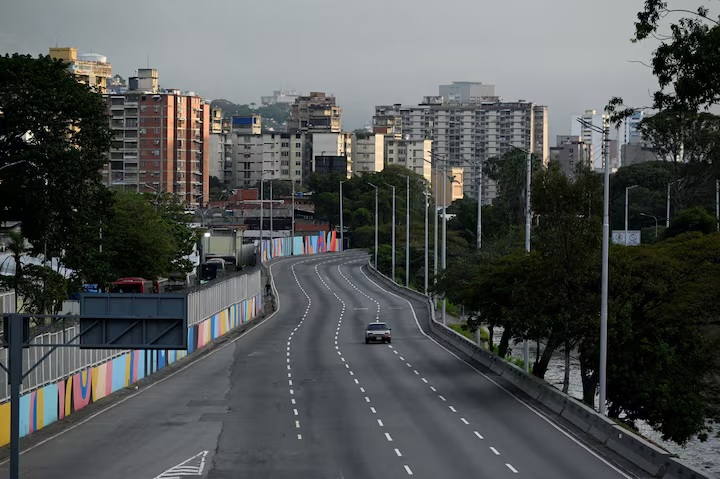
Another key factor to consider in the aftermath of Maduro’s arrest is the potential impact on global oil prices. Venezuela is home to the largest proven crude oil reserves in the world, estimated at approximately 303 billion barrels. However, the country’s oil production has dwindled significantly over the years, from a peak of 3.5 million barrels per day in the 1970s to just 1.1 million barrels per day in 2025.
President Trump has suggested that U.S. companies could play a significant role in rebuilding Venezuela’s oil industry, investing billions of dollars to fix the country’s deteriorating oil infrastructure and boost production. If U.S. oil companies are granted access to Venezuela’s oil resources, it could lead to a surge in oil production and exports, which could have a major impact on global oil markets.
Brent crude oil futures were trading up 0.51% early on January 5, exceeding the $61 per barrel mark, indicating market optimism about potential supply increases. However, the full ramifications of U.S. involvement in Venezuela’s oil industry remain uncertain, and geopolitical tensions in the region could lead to volatility in oil prices in the short term.
The renewed focus on Venezuela’s oil reserves highlights the strategic importance of the country’s energy sector in global energy markets. U.S. companies’ potential involvement in Venezuela could reshape the dynamics of global oil production, especially if the country’s output increases significantly.
Future Outlook: The Dollar’s Path in 2026
Looking ahead, market analysts have varying views on the U.S. dollar’s trajectory. Morgan Stanley has predicted that the dollar will experience a “choppy path” over the next year, with the dollar likely to weaken in the initial months of 2026 before staging a recovery later in the year. According to the bank’s forecast, the U.S. dollar index could fall to around 94 in the second quarter of 2026, but a rebound is expected in the second half of the year, potentially pushing the dollar back to the 100 level.
Three factors that could contribute to a stronger dollar later in 2026 include a resilient U.S. growth outlook, a rebound in U.S. interest rates, and improved corporate and investor confidence in the dollar. As the Federal Reserve continues to manage interest rates in response to inflationary pressures, these elements could drive a more favorable environment for the U.S. dollar in the second half of the year.
In the meantime, geopolitical factors, such as the U.S. operation in Venezuela, will continue to add volatility to global markets. The arrest of Maduro could signal a new phase in U.S. foreign policy toward Latin America, which may have a lasting impact on the U.S. dollar as investors adjust to the potential for further interventions and economic consequences in the region.
The Dollar’s Strength Amid Geopolitical Tensions
The U.S. dollar’s strength in the early days of January 2026 follows the arrest of Venezuelan leader Nicolás Maduro, which has added a new layer of uncertainty to global markets. While the dollar has benefitted from a “flight to quality” in the wake of the operation, the geopolitical implications of U.S. actions in Venezuela are still unfolding. As investors closely monitor the impact of U.S. military operations and the upcoming economic data, the dollar’s performance in 2026 remains highly dependent on both domestic economic indicators and global political developments.
The future of the U.S. dollar is tied to several key factors, including the strength of the U.S. economy, potential shifts in U.S. foreign policy, and ongoing geopolitical tensions in Latin America. As markets react to these developments, the dollar will continue to be a critical asset for investors seeking stability in uncertain times.