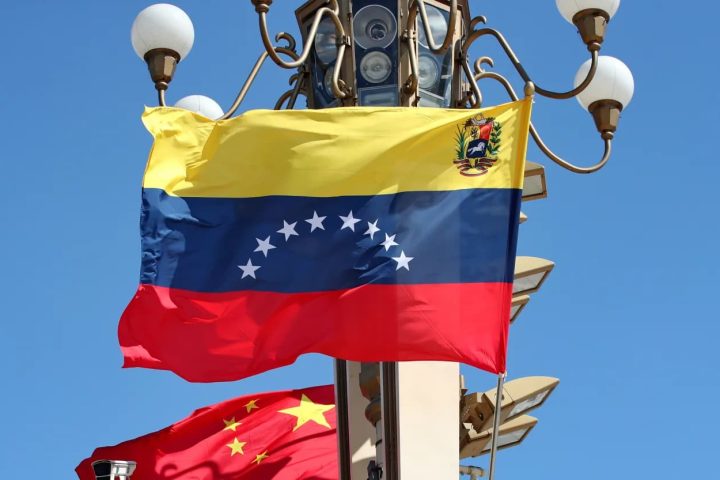
Markets opened 2026 with calm, even as the U.S. announced the capture of Venezuelan President Nicolas Maduro and declared temporary control over the oil-rich nation. Asian stocks surged, oil prices dipped slightly, and only gold—up 2%—showed clear safe-haven demand. Yet some investors warn that geopolitical risks are being dangerously overlooked.
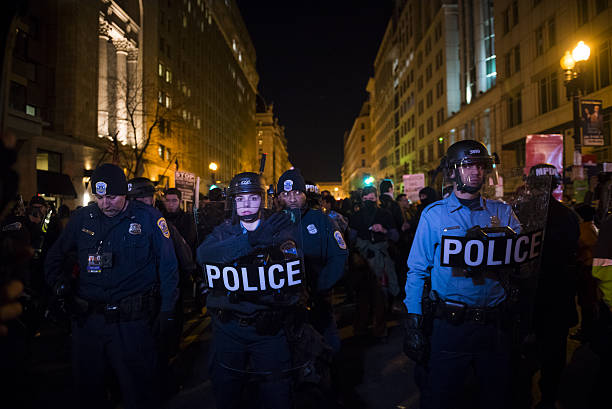
President Donald Trump didn’t stop at Venezuela. He also threatened military action against Colombia and Mexico unless they cooperate on oil and drug policy. This marks the most direct U.S. intervention in Latin America since the 1989 invasion of Panama—and it has reignited concerns about regional stability.
“We’re being reminded that geopolitical risks are much larger than some number cast on imports,” said Vishnu Varathan of Mizuho Securities. He posed a critical question: “Is broader LatAm stability at risk? If so, the flow-through effects could be much greater.”
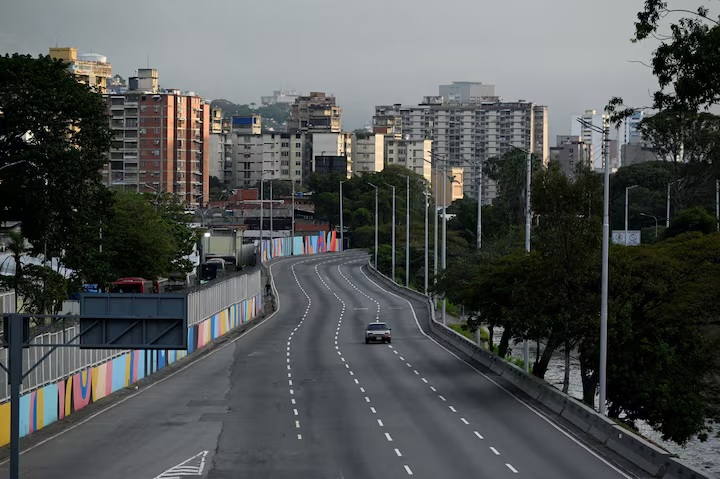
Analysts note that markets reacted mildly because Venezuela’s current oil output is small—just 700,000 barrels per day, or less than 1% of global supply. Restoring its vast reserves would take years of investment. Therefore, the immediate energy impact appears limited.
However, the long-term implications are less clear. Trump said American oil firms are ready to re-enter Venezuela, which could eventually boost global supply and support risk assets. Yet the aggressive U.S. posture may unsettle investors wary of unpredictable foreign policy swings.
“The financial markets are not very efficient in pricing such risks accurately,” warned Tai Hui of J.P. Morgan Asset Management. He stressed that while markets focus on earnings and interest rates, geopolitical risks often get ignored—until they trigger sudden shifts.
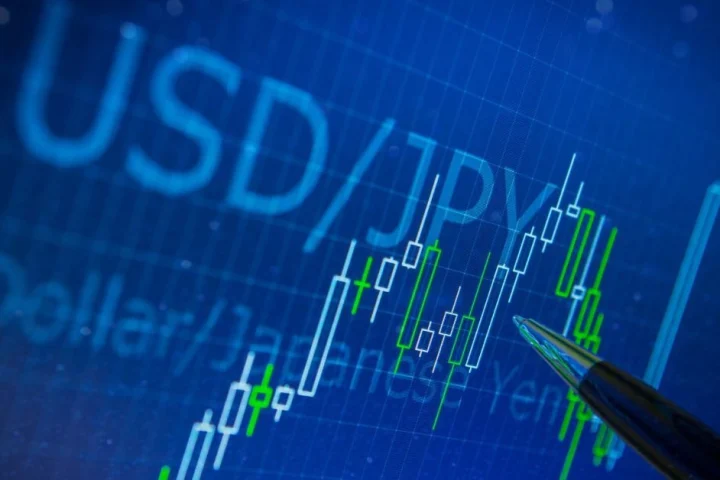
The early 2026 rally in global equities—extending 2025’s double-digit gains—suggests optimism still dominates. But Trump’s actions could reshape investor behavior. Defense stocks may benefit as nations boost military spending. Meanwhile, the U.S. dollar’s safe-haven appeal could weaken if Washington’s interventions appear destabilizing rather than protective.
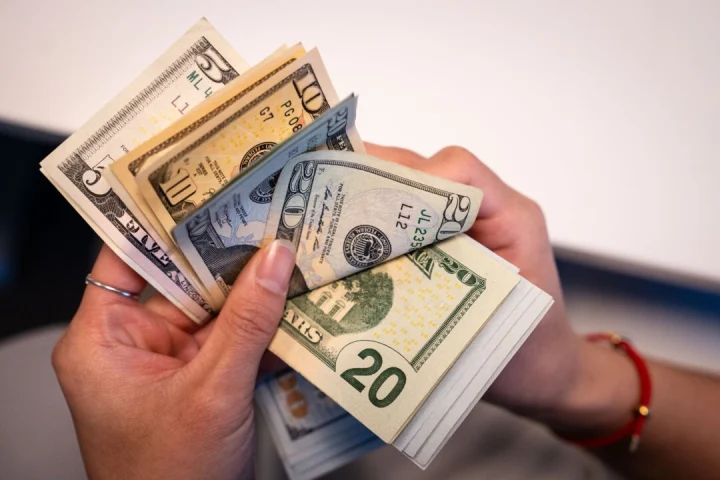
The dollar edged higher on Monday but ended 2025 down over 9%—its worst year since 2017. That decline reflects growing doubts about U.S. policy consistency in an election year.
Moreover, the Venezuela move has raised uneasy parallels. Some fear it could embolden China on Taiwan or signal U.S. intent to pursue regime change in Iran. Yet not all agree. Li Fang-kuo, chairman of Uni-President’s investment unit, said investors see little risk of a Taiwan invasion, noting China’s drills lack the sustained escalation seen in U.S. actions.
In fact, many analysts believe markets have grown accustomed to Trump’s foreign policy gambits. “We’re in a regime where geopolitics has become a persistent feature, not a surprise,” said Charu Chanana of Saxo. She added that unless Venezuela disrupts supply chains, investors will likely refocus on rates, earnings, and portfolio positioning.
Still, the danger lies in complacency. As geopolitical risks multiply—from Latin America to Asia—markets may face their first real stress test of 2026. For now, the rally continues. But history shows that calm can vanish overnight when politics overtake economics.