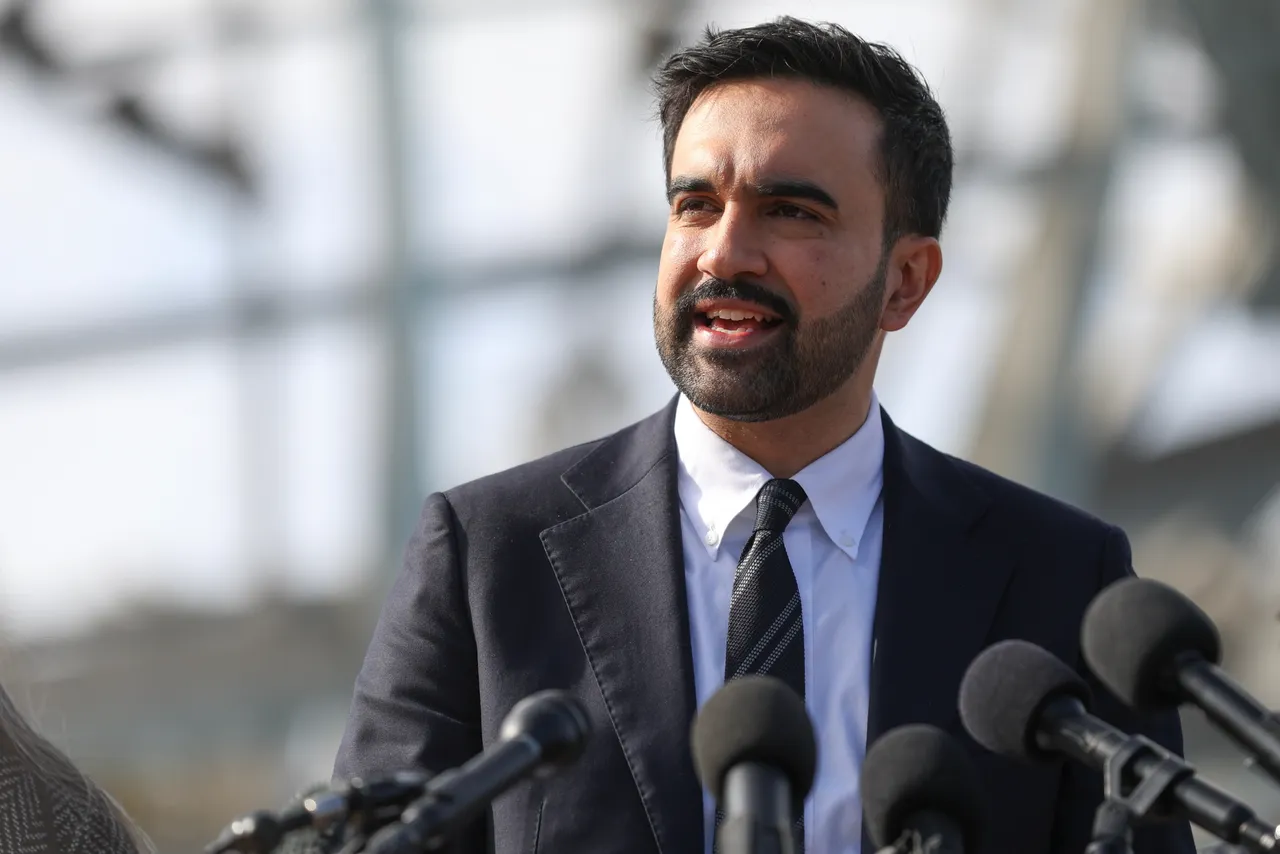
New York City’s mayor-elect, Zohran Mamdani, has vowed to prioritize the fight against Islamophobia and anti-Palestinian racism when he assumes office next week. In his powerful statement, Mamdani, who is set to become the city’s first-ever Muslim mayor, called for stronger action against hate-driven narratives that fuel discrimination. His pledge comes in the wake of a disturbing incident involving Mustapha Kharbouch, a Palestinian student at Brown University, who was subjected to harassment, death threats, and a campaign of doxxing after being falsely linked to a deadly shooting.
The Incident Involving Mustapha Kharbouch
The harassment campaign against Mustapha Kharbouch began when conspiracy theorists falsely connected him to a tragic shooting incident, simply because of a photo in which Kharbouch was wearing a keffiyeh, a traditional Palestinian scarf. The photo quickly circulated on social media, and Kharbouch, an innocent student, was targeted with death threats and doxxing by individuals who sought to create fear and hatred based on his ethnic background and identity.
The false accusation and ensuing harassment exemplify a troubling trend of rising Islamophobia and anti-Palestinian sentiment, particularly within certain sectors of media and online spaces. Kharbouch’s case is one of many where individuals from marginalized communities, particularly Palestinians, find themselves unjustly vilified due to hate-fueled misinformation and stereotypes.
Mamdani’s Commitment to Fighting Racism and Hate
Zohran Mamdani, a strong advocate for social justice and inclusion, used his platform to condemn the incident and pledge to take active steps to combat racism and Islamophobia throughout his tenure. On social media, he made it clear that addressing these forms of hate would be a cornerstone of his administration:
“As Mayor… I will make it my job to cherish, protect, and celebrate all New Yorkers and combat Islamophobia and anti-Palestinian racism at every corner,” Mamdani said.
This pledge resonates deeply with many New Yorkers, especially members of the Muslim and Palestinian communities, who have long faced discrimination, prejudice, and targeted violence. Mamdani’s commitment reflects not only his own experiences as a Muslim but also his understanding of the need for systemic change to ensure that all communities in New York City are treated with dignity and respect.
The Broader Context: Islamophobia and Anti-Palestinian Racism in the U.S.
Mamdani’s comments come at a time of heightened concern over Islamophobia and anti-Palestinian racism across the United States. In recent years, several incidents have underscored the vulnerability of Muslim and Palestinian communities, with increasing instances of hate crimes, discrimination, and violence directed at these groups. Palestinians, in particular, often face backlash due to political events tied to the Middle East, and many individuals within the community are subjected to harmful stereotypes and prejudices based on their ethnicity and religion.
The rise of social media and conspiracy theories has only amplified this issue, with doxxing, false accusations, and online harassment becoming more widespread. This growing trend of digital hate has left many feeling unsafe in their own communities, particularly when public figures or politicians fail to speak out against it.
Mamdani’s commitment to tackling this issue head-on represents a critical shift in leadership, where protecting marginalized communities and standing up against hate will be central to his leadership approach. His focus on celebrating diversity and promoting inclusivity is a reminder that New York City, often heralded as a melting pot of cultures and ethnicities, must continue to lead the way in fostering unity and fighting discrimination.
The Importance of Representation and Allyship
As New York City’s first Muslim mayor, Mamdani’s rise to power symbolizes a momentous achievement for representation and cultural visibility in a city with one of the largest and most diverse Muslim populations in the country. His election represents hope for marginalized groups who have long faced exclusion from positions of power. Mamdani’s leadership sends a message that individuals from historically oppressed communities can not only participate in politics but also shape policies that directly affect their lives.
Moreover, his allyship with the Palestinian community and commitment to addressing anti-Palestinian racism are significant. In a time when discussions about Palestine are often fraught with tension and misunderstanding, Mamdani’s stance offers a refreshing perspective focused on empathy, justice, and human rights.
Looking Ahead: A New Era of Leadership
As Mamdani prepares to take office, his promises of inclusivity and social justice will be closely watched by both his supporters and critics. His administration will likely face challenges, especially in the area of public safety, where issues of hate crimes and police accountability remain pressing. However, Mamdani’s unwavering commitment to justice and equality offers a hopeful vision for the future of New York City—a vision where every resident, regardless of faith, ethnicity, or background, is valued and protected.
Mamdani’s approach also signals the broader need for political leaders across the country to actively combat Islamophobia and racism in all its forms. His leadership stands as a powerful reminder that addressing systemic hate requires both legislative action and a cultural shift toward empathy, understanding, and solidarity.
Zohran Mamdani’s pledge to combat Islamophobia and anti-Palestinian racism as mayor-elect of New York City is an important step forward in the fight for racial justice and equality. The case of Mustapha Kharbouch highlights the devastating effects of hate-driven narratives and underscores the need for political leaders to stand up for marginalized communities. As Mamdani prepares to take office, his leadership promises to usher in a new era of inclusivity, where all New Yorkers can thrive without fear of discrimination or violence.