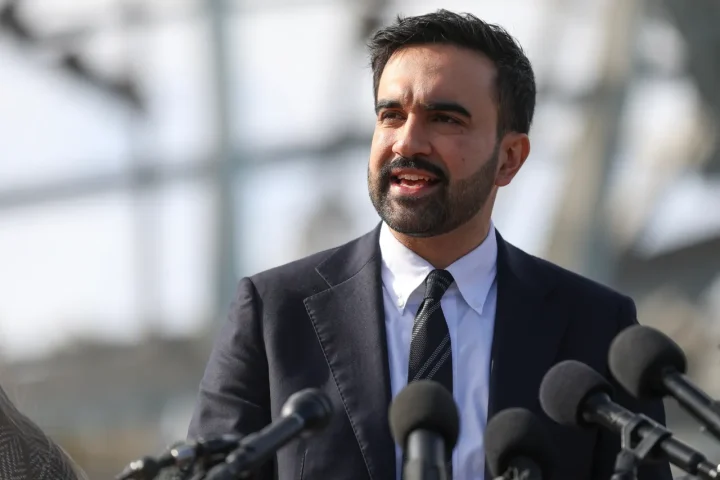
In a historic moment for New York City, Zohran Mamdani was sworn in as the city’s 112th mayor on January 1, 2026, making him the first Muslim, South Asian, and Africa-born leader of the nation’s largest city. At just 34 years old, Mamdani has already made a name for himself as a progressive, democratic socialist, and his inauguration marked the beginning of what promises to be a transformative era for the city. The swearing-in ceremony, which took place just past midnight at the Old City Hall subway station, was a nod to New York’s rich history and a clear indication of Mamdani’s commitment to public transit and infrastructure as critical to the city’s future.
Mamdani’s platform, which promises sweeping changes to tackle affordability, aims to address the city’s most pressing issues—housing, child care, wages, and public services. His approach to governance focuses on expanding access to essential services for all New Yorkers while ensuring the city remains a place where working-class families can thrive.
A Historic Oath at City Hall Subway Station
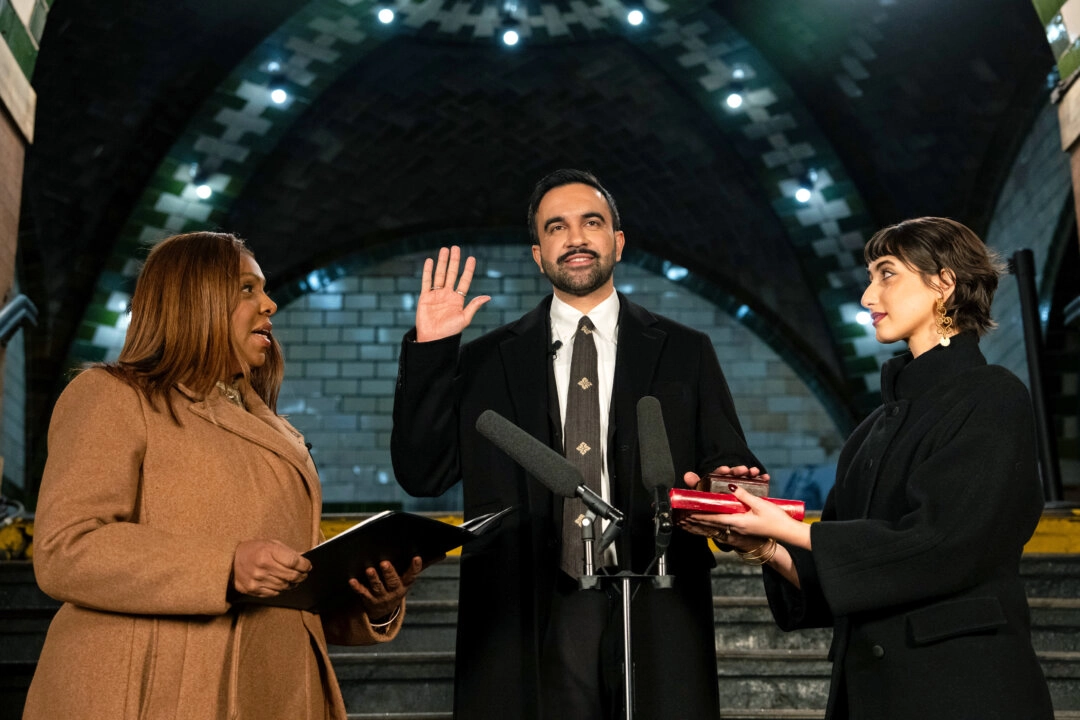
The decision to hold Mamdani’s swearing-in ceremony at the historic City Hall subway station was a symbolic choice. This station, one of New York’s first subway stops, holds deep ties to the city’s evolution, representing the vibrancy and energy that has always been at the heart of the city’s identity. In his brief address following the ceremony, Mamdani called the station a “testament to the importance of public transit to the vitality, the health, and the legacy of our city,” reinforcing his commitment to investing in the city’s infrastructure, particularly in transportation.
Standing alongside New York Attorney General Letitia James, who administered the oath, Mamdani was joined by his wife, Rama Duwaji, as the two marked the occasion that would usher in a new chapter for New York City. The intimate setting emphasized the new mayor’s desire to build a government that is closely connected to the people and the needs of the communities they serve.
Mamdani’s first action as mayor was to introduce Mike Flynn, the new Commissioner of the Department of Transportation. Mamdani described Flynn as a key partner in ensuring that New York’s streetscape and public transit systems are world-class, emphasizing the administration’s focus on making these systems the envy of the globe.
Mamdani’s Progressive Agenda: Tackling Affordability and Inequality
Mamdani’s agenda, which focuses heavily on affordability, is directly tied to the struggles facing many New Yorkers today. His policies include free child care, free buses, rent freezes for approximately 1 million households, and the creation of pilot city-run grocery stores to help lower the cost of living. These bold initiatives are intended to address the widening inequality gap and ensure that all New Yorkers, especially working families, can afford to live in the city they call home.
In his first speech as mayor, Mamdani emphasized his dedication to policies that will directly benefit the working class. He said, “Here, where the language of the New Deal was born, we will return the vast resources of this city to the workers who call it home.” Mamdani’s vision for the city is rooted in collective action and public investment, aiming to replace the individualistic approach with a more communal, solidarity-based model.
Housing, Rent Control, and Public Infrastructure
A key element of Mamdani’s platform is his focus on housing and rent control. In line with his promise to freeze rents for over a million New Yorkers, Mamdani will push for policies aimed at reducing the city’s growing affordability crisis. This includes aggressive rent control measures and policies that prevent large-scale gentrification in neighborhoods that are home to working-class communities.
The newly appointed mayor also committed to improving public infrastructure, particularly public housing and education. He noted that the city’s classrooms are overcrowded, wages for city workers are lagging behind, and essential public infrastructure is in desperate need of investment. Mamdani’s administration will focus on rectifying these issues through public investment, which he views as the cornerstone of a more equitable New York City.
Mamdani’s approach builds on the legacy of former Mayor Bill de Blasio, who prioritized progressive policies aimed at reducing inequality. Mamdani has taken this vision further by proposing a “collectivist” model of governance that prioritizes the common good over individual profit.
A Bold Approach to Public Transit
Public transit is central to Mamdani’s vision for New York City’s future. During his swearing-in address, he made clear that public transit is not just a service but the lifeblood of the city. “The preservation of public transit and the protection of commuters will be at the core of our efforts to build a sustainable, equitable city,” he declared. The Old City Hall subway station, where he took the oath of office, symbolizes this belief, as it stands as one of New York’s most iconic and historically significant subway stations.
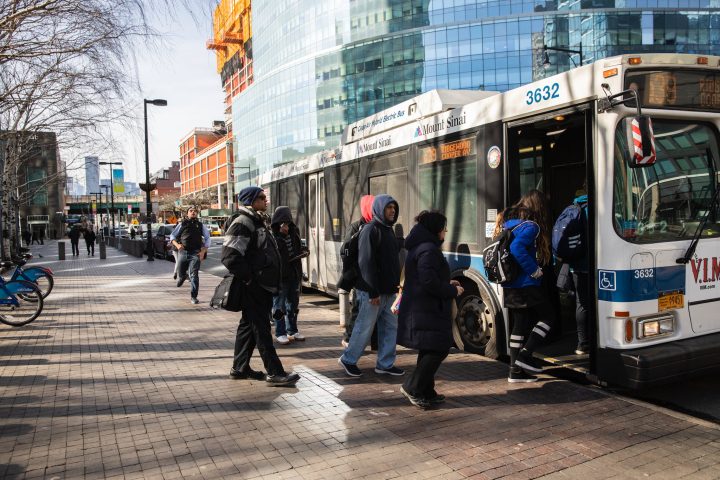
Under Mamdani’s leadership, New York City’s public transit system will be a top priority. Mamdani plans to introduce free buses for all New Yorkers, particularly for those in underserved areas where reliable public transportation is often inaccessible. His efforts will also focus on expanding and modernizing the subway system, which is crucial for the daily functioning of the city.
Challenges Ahead: Opposition and Criticism
Despite the widespread excitement around his election, Mamdani’s policies have faced criticism, particularly from the Jewish community regarding his critiques of Israel’s government. Some critics argue that his progressive stance on international relations, especially his vocal opposition to Israel’s policies, could lead to tensions in his relationship with certain local groups.
Additionally, former New York Governor Andrew Cuomo and Republican candidate Curtis Sliwa both ran against Mamdani, and his administration will likely face challenges from conservatives who disagree with his socialist agenda. These challenges, however, do not seem to dampen Mamdani’s resolve. In fact, President Donald Trump, who initially warned that Mamdani’s leadership would be “very bad” for New Yorkers, recently softened his tone after a meeting with the new mayor. Trump stated, “I expect to be helping him, not hurting him—a big help, because I want New York City to be great.”
Mamdani’s allies, including Senator Bernie Sanders, who officiated Mamdani’s public swearing-in event, have expressed strong support for his vision. Sanders, a longtime advocate for socialist policies, praised Mamdani’s commitment to public investment and worker rights, and has been a vocal supporter of New York’s push toward greater equality and solidarity.
A City of Solidarity and Change
Zohran Mamdani’s swearing-in as New York City’s mayor signals a new chapter for one of the world’s most iconic cities. His bold, progressive agenda promises to make New York a city that works for everyone—especially its working-class residents. With initiatives ranging from rent freezes to free public transportation and child care, Mamdani is committed to creating a more affordable, equitable, and connected New York.
As Mamdani settles into Gracie Mansion with his wife Rama Duwaji, his administration will undoubtedly face challenges. But with the support of his base and a clear vision for New York’s future, the new mayor is poised to push forward with his ambitious plans to tackle inequality and make New York City a place where every resident can thrive.