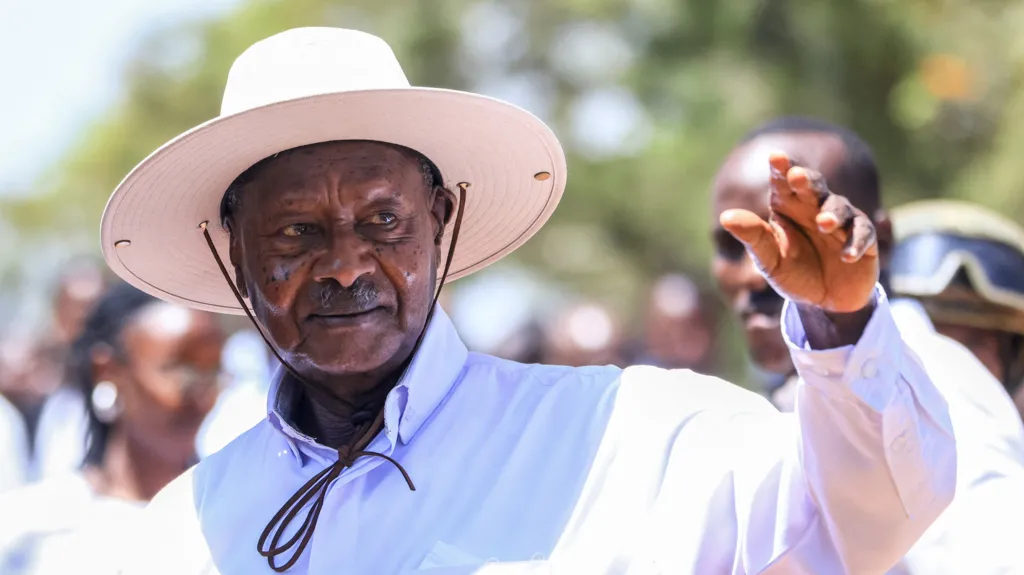
Kampala, Uganda — President Yoweri Museveni has been officially declared the winner of Uganda’s presidential election, securing another five-year term after a process that authorities described as transparent, orderly, and reflective of the will of the people. The announcement confirms the continuation of his leadership, which began in 1986, following a nationwide vote conducted under the supervision of the electoral commission.
According to the results released in the capital, Museveni won a decisive majority of the ballots cast, reinforcing his position as the country’s long-serving head of state. Election officials said the outcome was based on verified tallies from polling stations across the country, noting that voting and counting followed established legal procedures. The declaration places Museveni ahead of his closest challenger by a wide margin.
The election outcome has attracted both domestic and international attention due to Uganda’s political history and the scale of participation. While opposition figures voiced dissatisfaction, state institutions emphasized that the process met constitutional standards. Authorities maintained that the poll was conducted fairly and that security measures were intended to protect voters and maintain public order.
President Museveni, now 81, first assumed power nearly four decades ago after leading a rebel movement that ended years of instability. Since then, he has repeatedly sought electoral mandates, arguing that continuity in leadership has supported peace, economic recovery, and regional stability. Supporters say the latest result reflects confidence in his governance record and policy direction.
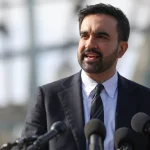
The main opposition candidate, Bobi Wine, finished second in the race. He publicly questioned the credibility of the results and raised concerns about alleged irregularities. However, no independently verified evidence was presented to overturn the official declaration, and authorities have not confirmed the claims. Election officials urged all candidates to follow lawful channels if they wished to challenge the outcome.
Turnout for the election stood just above half of registered voters, a figure the electoral commission said was consistent with recent national polls. Officials attributed participation levels to logistical challenges, heightened security, and the broader political climate. Despite these factors, they insisted that voters who turned out were able to cast their ballots freely.
Security remained tight in parts of the country in the days surrounding the vote. The government imposed temporary restrictions on internet access, explaining that the measure aimed to curb misinformation and prevent unrest. Although the move drew criticism from rights groups, authorities said it was a precautionary step designed to safeguard the integrity of the electoral process and public safety.
The police rejected accusations of widespread repression, stating that deployments were focused on known hotspots and aimed at preventing violence. They stressed that restrictions were not targeted at any individual or group but were part of broader efforts to keep the peace during a sensitive national exercise.
Museveni’s campaign centered on stability, economic development, and security, themes that have long defined his political messaging. He argued that his experience and track record positioned him as the best candidate to guide Uganda through regional and global challenges. Many of his backers echoed this view, citing infrastructure growth and relative calm compared with past decades.
By contrast, opposition campaigns focused on youth unemployment, corruption, and governance reforms, appealing strongly to younger voters in a country where a large share of the population is under 30. Analysts say the election highlighted a generational divide in political priorities, even as the final result favored continuity.
With the results now confirmed, attention turns to the post-election period and the formation of the next government. Officials have called for calm and unity, urging citizens to respect the outcome and focus on national development. Regional observers are expected to release their assessments in the coming days, adding further perspective to the conduct of the poll.
Museveni’s victory extends one of Africa’s longest-running presidencies, reaffirmed through the ballot box. As Uganda enters a new term, the government says it will prioritize economic growth, security, and social services, while critics continue to press for reforms through institutional and legal means.