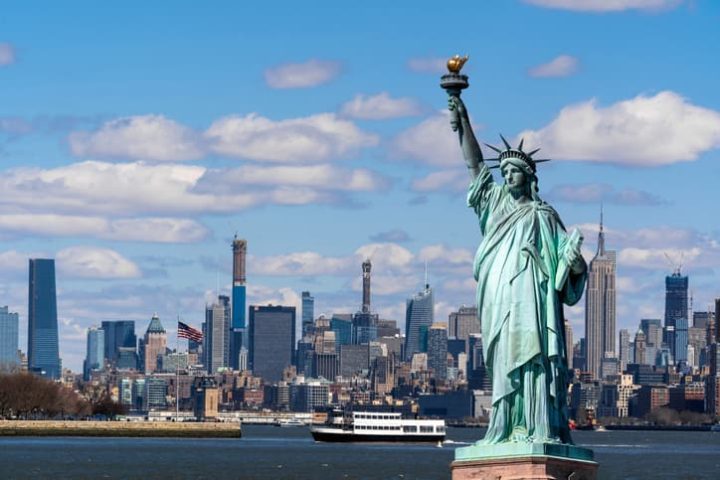
The New York cannabis market appears vibrant and widespread, but beneath the surface, many licensed businesses are struggling to survive. While legalization promised economic growth and regulation, the reality has proven far more complex.
Five years after legalization, the New York cannabis market is still finding its footing, as legal operators compete with a booming grey market and navigate complicated regulations.
New York Cannabis Market Expansion
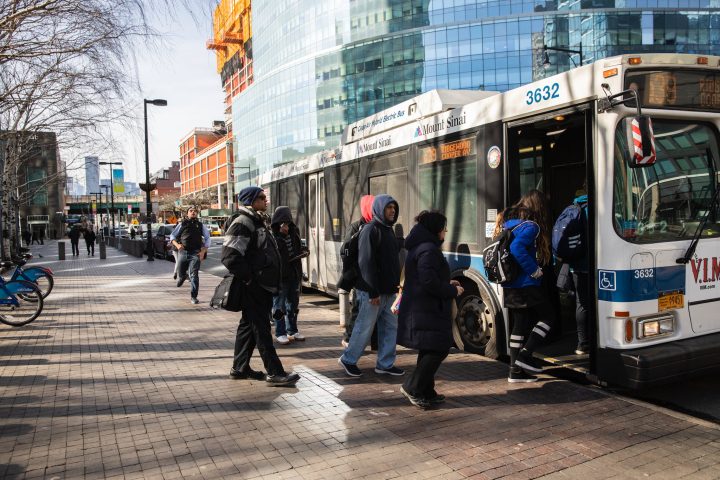
Across New York, cannabis is highly visible. Dispensaries now resemble modern retail spaces, attracting both locals and tourists. At the same time, smaller shops and informal outlets have multiplied rapidly, creating an impression of widespread success.
However, this growth has not been evenly distributed. Many licensed businesses report slow progress and limited market share despite increasing demand.
Grey Market Undermines Legal Businesses
A major challenge in the New York cannabis market is the presence of unlicensed sellers. These operators often present themselves as legitimate businesses, confusing consumers and undercutting regulated dispensaries.
During the early years of legalization, delays in issuing licenses created gaps in the market. As a result, illegal outlets filled the void, particularly in urban areas like New York City.
Although authorities have begun cracking down on these operations, business owners say enforcement has not gone far enough to level the playing field.
Complex Legal Framework Slows Growth
The New York cannabis market is also shaped by a confusing legal environment. While cannabis is legal at the state level, it remains illegal under federal law. This contradiction creates ongoing challenges for businesses.
Companies face restrictions on banking, taxation, and expansion across state lines. As a result, many struggle to access funding or scale operations effectively.
The patchwork of laws across different states further complicates the situation, making compliance a constant challenge for operators.
Licensing Bottlenecks and Early Setbacks
In the initial stages of legalization, strict licensing rules slowed the rollout of legal dispensaries. Some growers were left with unsold products due to a lack of retail outlets.
Meanwhile, unlicensed sellers rapidly expanded, taking advantage of regulatory delays. This imbalance allowed the grey market to establish a strong presence before legal businesses could fully launch.
Even now, thousands of license applications remain under review, highlighting the ongoing bottleneck in the system.
Industry Voices Call for Reform
Business owners in the New York cannabis market are increasingly calling for regulatory reform. Many argue that excessive rules, high taxes, and advertising restrictions make it difficult to compete.
Some operators report spending a significant portion of their time on compliance rather than growth. Others highlight the lack of access to traditional financing as a major barrier.
Despite these challenges, many remain optimistic about the long-term potential of the market.
Signs of Progress
Authorities have started to take stronger action against illegal sellers, including shutting down unlicensed shops. At the same time, more legal businesses are opening, helping to meet consumer demand.
Industry analysts note that early instability is common in emerging markets. Similar patterns were seen in states that legalized cannabis earlier, such as California and Colorado.
Why This Matters
The New York cannabis market offers a clear example of the challenges that come with legalizing a previously prohibited industry. While demand continues to grow, success depends on effective regulation and fair competition.
For policymakers, the situation highlights the importance of balancing enforcement with support for legal businesses. For entrepreneurs, it underscores the risks and opportunities in a rapidly evolving market.
As reforms continue and the market matures, the future of the New York cannabis market will likely shape how other regions approach legalization.