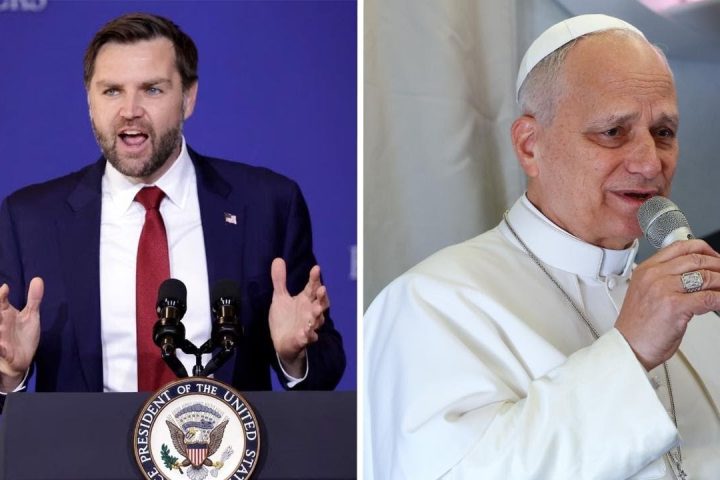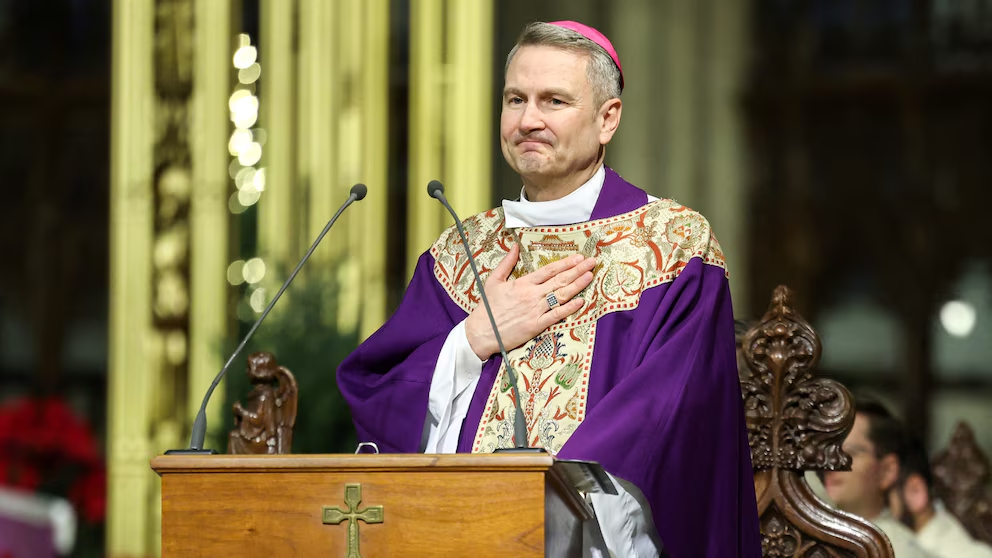
New Archbishop of New York will take office less than a month after Mayor-elect Zohran Mamdani is inaugurated, marking a year of significant leadership changes in the city. Pope Leo XIV appointed Bishop Ronald Hicks as the new archbishop, a role with far-reaching influence beyond St. Patrick’s Cathedral.
Bishop Hicks, who grew up in Chicago, served as the bishop of Joliet, Illinois, for the last five years. When introduced at a news conference, he expressed his love for New York’s energy. However, his appointment suggests that Rome seeks a different kind of energy for the city—one that aligns with the growing focus on migrants and social justice.
Hicks, who worked with orphaned children in El Salvador from 2005 to 2010, brings both big city experience and a deep understanding of the migrant experience. As David Gibson, director of the Center on Religion and Culture at Fordham University, pointed out, Hicks’s background prepares him well for New York’s diverse and evolving needs.
Hicks’s appointment contrasts sharply with Cardinal Timothy Dolan’s leadership. While Dolan advocated for politically engaged church leaders and conservative causes, Hicks is expected to take a more measured, less provocative approach. Mathew Schmalz, a professor at the College of the Holy Cross, believes Hicks will shift the conversation around the Church without making overly bold statements.
Schmalz suggests that Hicks’s ability to engage with the media will play a key role in his success, given New York’s complex media landscape.
At 58, Hicks is younger than Dolan was at his appointment. While not the youngest archbishop in recent history, Hicks shares a progressive agenda with Mayor-elect Mamdani. Both emphasize affordability, economic justice, and the needs of migrants. This alignment presents an opportunity for collaboration between the two, marking a new era in New York’s leadership.
The City’s Changing Landscape
New York is entering a year of significant leadership changes, with both the archbishop and Mamdani bringing fresh perspectives to their roles. Mamdani’s focus on social equity and migrant rights aligns with the new archbishop’s priorities, creating potential for impactful collaboration. Together, they will navigate the challenges of affordability, economic justice, and the integration of migrant communities into the city’s fabric.
As the city prepares for these changes, the eyes of many will be on how the new leadership will shape the future of New York, balancing tradition with the growing demands of modern governance.