New York casino revenue projections reach $5.6 billion annually. Consequently, the city prepares for gambling industry expansion. Moreover, CBRE Institutional Research released this financial report recently. Therefore, three newly approved casino licensees drive these estimates. Specifically, analysts predict top-tier earnings among US regional casinos.
CBRE outlined several financial scenarios clearly. The $5.6 billion figure represents the absolute best-case scenario. However, researchers provided a realistic base case projection too. Specifically, they estimate $4.7 billion in annual sales easily. Furthermore, even their pessimistic bear case projects $4.1 billion annually. Thus, New York casino revenue remains substantial across all scenarios.
Gaming activities will generate most projected revenue directly. In fact, CBRE estimates roughly 70% comes from casino floors. Additionally, researchers noted rapid operational ramp-up for new properties. Consequently, venues may reach full earning potential within three years. This fast timeline reflects existing local competition effectively. Empire City Casino in Yonkers demonstrates market readiness already.
Three major companies currently hold coveted NYC casino licenses. These operators include Genting, Bally’s, and Hard Rock International. Genting undoubtedly holds a significant first-mover advantage specifically. The business currently runs Resorts World New York in Queens successfully. Therefore, they avoid starting from zero during expansion planning. Instead, they invest billions to improve their existing location strategically.
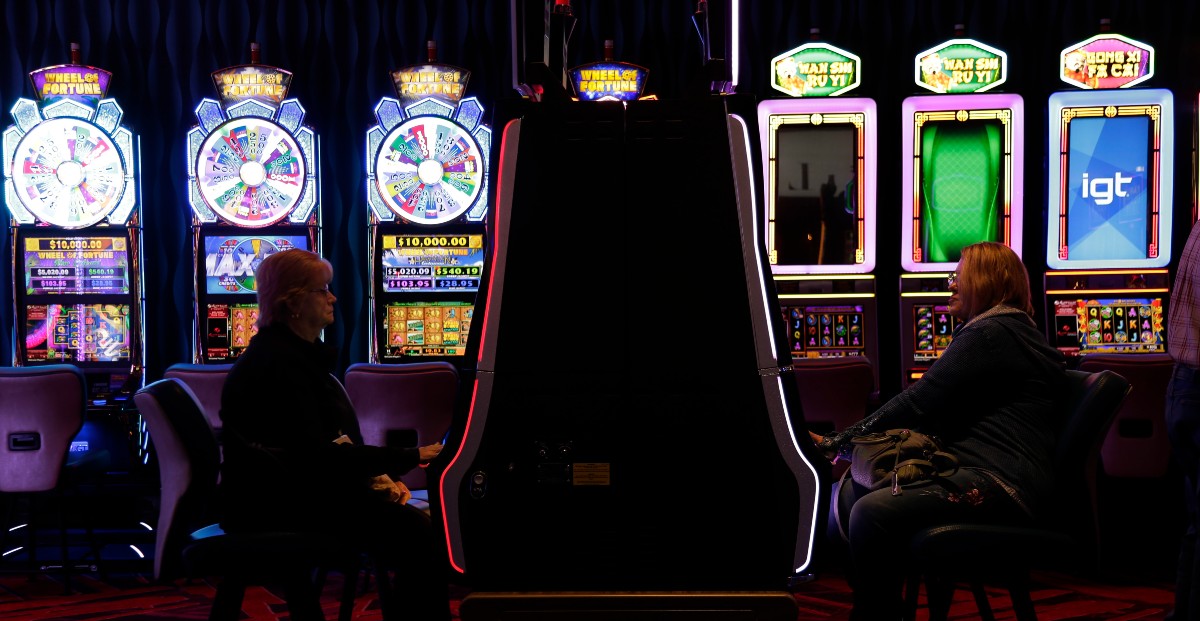
Resorts World New York occupies a bustling metropolitan area conveniently. It benefits greatly from proximity to two significant subway stops. Consequently, the venue already possesses an established customer base. Functioning casino infrastructure supports rapid scaling effectively. CBRE believes Genting might offer live table games later this year. By moving beyond slot machines quickly, they gain competitive advantage. Ultimately, full conversion into an integrated resort completes in 2031. Hence, New York casino revenue growth accelerates with Genting’s expansion.
Politicians frequently used “Las Vegas-style casino” during bidding. However, experts warn these properties will operate very differently. While New York might eventually resemble Vegas visually, business models diverge significantly. The Las Vegas Strip depends heavily on lodging and dining. Large-scale entertainment events drive substantial revenue there too. In actuality, less than one-third of Sin City revenue comes from gaming.
Conversely, the New York market remains dominated by traditional gaming. Therefore, analysts do not expect Downstate NY to mirror the Vegas model. Furthermore, these properties will feature incredibly high profit margins. Gaming proves far more profitable than ancillary spending consistently. Ultimately, researchers point out table game penetration will rank highest nationally. Accordingly, New York casino revenue models prioritize gaming core activities.
The three licensees pursue distinct development strategies currently. Genting expands an existing successful operation in Queens specifically. Bally’s plans a new facility in Times Square strategically. Hard Rock International targets a waterfront location in Hudson Yards. Consequently, each operator leverages unique geographic advantages effectively. Moreover, diversified location strategies reduce market concentration risk significantly.
Regulatory frameworks shape development timelines substantially. New York’s licensing process established clear operational guidelines early. Therefore, operators navigate compliance requirements with greater certainty now. Additionally, responsible gaming protocols receive heightened attention consistently. Hence, sustainable growth remains a priority for all stakeholders. Thus, New York casino revenue projections account for regulatory stability.
Economic impact extends beyond direct gaming receipts significantly. Job creation accompanies facility construction and ongoing operations substantially. Furthermore, local businesses benefit from increased foot traffic reliably. Tourism promotion efforts may amplify these multiplier effects consequently. Therefore, New York casino revenue generates broader economic value consistently.
Market dynamics favor experienced operators with strong capital positions. Consequently, Genting’s existing infrastructure provides meaningful competitive advantage. Additionally, brand recognition influences consumer selection decisions significantly. Hence, established players may capture disproportionate market share initially. However, competition intensifies as all three venues reach full operation. Therefore, service quality and innovation drive long-term success ultimately.
Consumer behavior shapes revenue realization patterns substantially. Convenience and accessibility influence visitation frequency significantly. Consequently, subway proximity enhances Resorts World’s appeal consistently. Furthermore, integrated amenities may increase dwell time and spending per visit. Hence, New York casino revenue optimization requires customer-centric design thinking.
Looking ahead, strategic execution determines financial outcome realization. Operators must balance rapid scaling with operational excellence consistently. Moreover, adapting to evolving consumer preferences remains essential continuously. Therefore, agility and innovation drive sustained competitive advantage. Ultimately, New York casino revenue potential depends on disciplined management. Consequently, stakeholders monitor performance metrics closely. Additionally, market feedback informs strategic adjustments proactively. Hence, the sector’s trajectory appears promising with prudent execution.