NYC Budget Crisis is forcing a difficult conversation about taxes, transparency, and accountability in New York. As city leaders confront mounting deficits, they are now calling for tougher decisions to stabilize finances and protect essential services.
At the center of the debate are past leadership choices. Critics argue that former Mayor Eric Adams understated costs in city budgets. As a result, the books appeared balanced while deeper fiscal gaps grew. At the same time, former Governor Andrew Cuomo is accused of shifting city revenues to cover state shortfalls. Consequently, these combined actions have left the city in a fragile position.
This context helps explain why Moody’s recently downgraded the city’s fiscal outlook. The downgrade reflects concerns about sustainability and long-term planning. Therefore, the NYC Budget Crisis is no longer a distant threat. It is an immediate challenge that requires decisive action.
As policymakers search for solutions, attention has turned to taxation. Specifically, proposals suggest raising local taxes by 2 percent on residents earning over one million dollars. In the short term, this measure could help close the budget gap. In addition, it would provide funding for essential programs in the years ahead.
Supporters argue that the city’s role as an economic engine justifies state involvement. New York City generates more revenue than it receives back. Therefore, stabilizing its finances is not just a local issue. It is a statewide priority that affects the broader economy.
However, implementing such measures is not straightforward. Many city-level tax decisions require state approval. This places Governor Kathy Hochul at the center of the debate. So far, she has resisted calls to increase taxes on the ultra-wealthy. As a result, progress on this front remains uncertain.
Opponents of the proposal argue that higher taxes could drive wealthy residents out of the state. They warn that such a move would shrink the tax base and worsen the NYC Budget Crisis. However, recent data challenges this assumption. Reports show that middle-class families are leaving at higher rates than the wealthy.
In fact, New York has seen a decline in its Black population over the past two decades. At the same time, the number of millionaires has increased significantly. Therefore, the argument that modest tax increases would trigger mass departures appears less convincing.
Moreover, studies suggest that high-income residents are less likely to relocate compared to other groups. As a result, a targeted tax increase on top earners may generate revenue without causing widespread economic disruption. This strengthens the case for revisiting the policy.
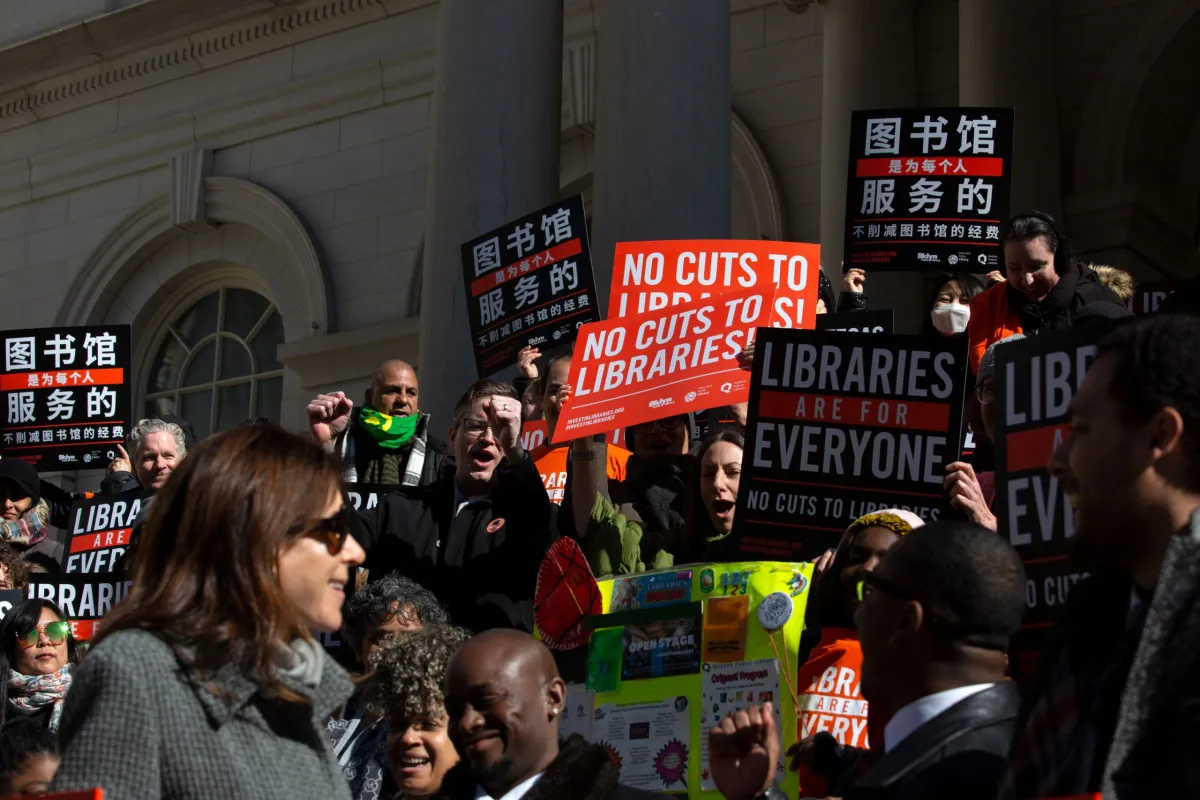
Supporters also point to fairness. They argue that those who benefit most from the city’s economy should contribute more. In addition, they stress that cutting services would have far-reaching consequences for vulnerable communities. Therefore, raising revenue is seen as the more sustainable option.
At the same time, political resistance remains strong. Wealthy donors often oppose such measures. In many cases, they warn of relocation or reduced investment. However, similar warnings have been made before, yet many high-income residents have stayed.
The NYC Budget Crisis also highlights the importance of transparency. Leaders are under pressure to present clear and honest financial data. Without accurate information, it becomes difficult to build public trust or support for necessary reforms.
Meanwhile, alternative solutions are being explored. Some policymakers suggest reducing unfunded mandates or reallocating resources. Others emphasize economic growth as a way to increase revenue. However, these approaches may take longer to deliver results.
In contrast, a targeted tax increase offers a more immediate solution. It can generate revenue quickly while preserving essential services. Therefore, many see it as a practical response to the current crisis.
Looking ahead, the debate is unlikely to fade soon. The NYC Budget Crisis will continue to shape policy discussions across the state. Decisions made now will influence the city’s financial health for years to come.
Ultimately, the issue comes down to priorities. Leaders must decide whether to protect services through higher taxes or risk deeper cuts. As the gap widens, the urgency for action grows stronger.
In the end, the question is not just about numbers. It is about the future of New York City. Can it remain a thriving economic hub while addressing inequality and fiscal pressure? The answer will depend on the choices made in this critical moment.