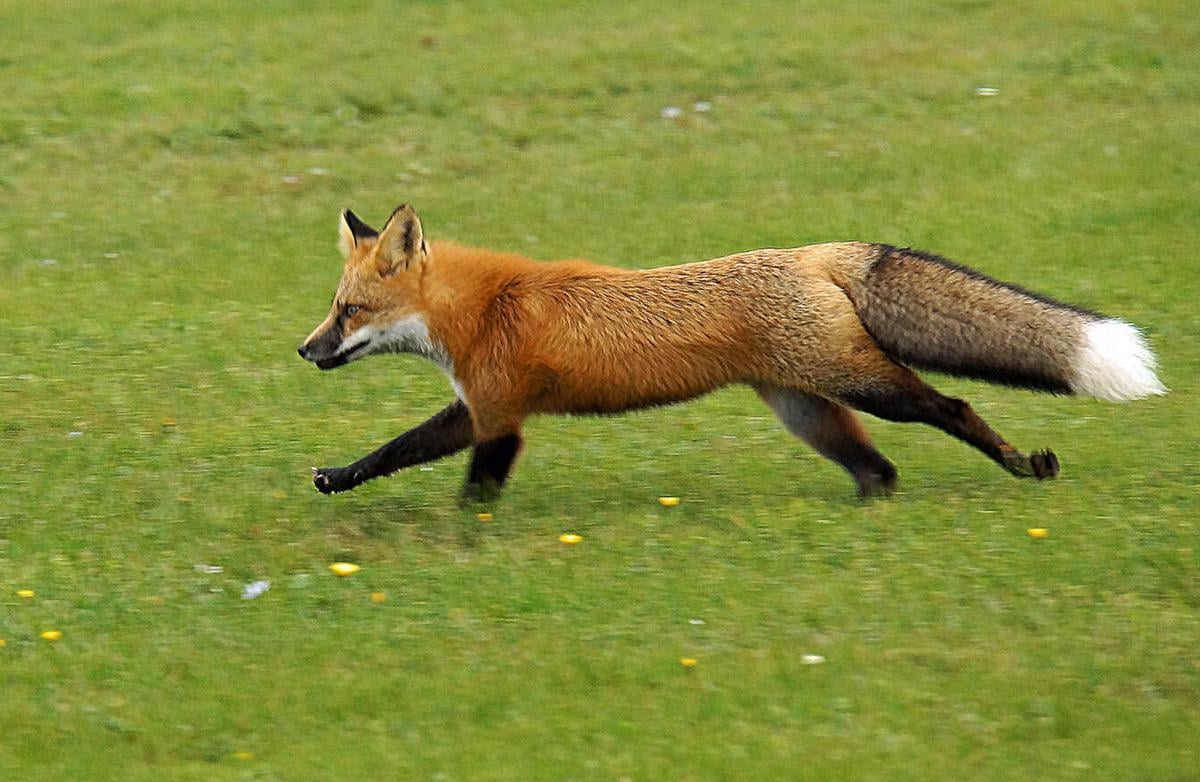
The Red Fox Atlantic Journey has captured attention after a fox secretly boarded a cargo ship near Southampton and travelled thousands of miles across the Atlantic Ocean. Authorities eventually discovered the animal at the Port of New York and New Jersey, where officials transferred it to the Bronx Zoo for care.
The two-year-old male fox weighs about 11 pounds, or roughly five kilograms. Animal care teams at the Bronx Zoo currently keep it at the facility’s Animal Health Center while veterinarians evaluate its condition.
Zoo officials confirmed that veterinary teams are closely monitoring the fox. Once they complete health checks and confirm the animal is healthy, experts will decide on a suitable long-term home.
The Red Fox Atlantic Journey began quietly in the English port city of Southampton. Somehow, the fox gained access to a cargo ship before the vessel departed for the United States.
Exactly how the animal boarded the ship remains unknown. However, large ports often handle vast amounts of cargo and equipment, which can create unexpected hiding places for wildlife.
After the ship crossed the Atlantic Ocean, US authorities discovered the fox among cargo containers at the Port of New York and New Jersey. Officials then transported the animal to the Bronx Zoo on February 19.
Since arriving at the zoo, the fox has received veterinary care and observation.
Zoo officials explained that early examinations suggested the animal appeared to be in good health. However, veterinarians are still reviewing results from routine health screenings.
These tests ensure the fox carries no diseases that could affect other animals or local wildlife.
Despite the long and unusual trip, the fox appears to be adjusting to its temporary home.
Keith Lovett, the Bronx Zoo’s director of animal programs, said the fox has handled the experience remarkably well. He noted that the animal has gone through a significant ordeal but seems to be settling into its new environment.
Meanwhile, the unusual Red Fox Atlantic Journey has drawn attention from wildlife experts and port authorities.
A spokesperson for Associated British Ports Southampton reacted with humor when commenting on the incident. The port handles a wide range of cargo every day, including cars, containers, and cruise ships.
However, officials admitted they did not expect to discover a fox making an unexpected voyage across the Atlantic.
The spokesperson joked that the fox had apparently decided to exchange the waters of the Solent for New York Harbor. They even suggested that, if the fox planned another journey, it might consider a more comfortable transatlantic voyage aboard a passenger liner.
Although the story has a lighthearted tone, wildlife specialists emphasize that such journeys can be dangerous for animals.
Cargo ships contain large machinery, heavy containers, and unpredictable conditions. Animals that accidentally board ships may struggle to find food or water during long voyages.
In this case, the fox managed to survive the transatlantic trip without serious harm.
The Red Fox Atlantic Journey also highlights the remarkable adaptability of red foxes.
Red foxes rank among the most widespread carnivorous mammals in the world. Their natural range spans much of Europe, Asia, North America, and parts of North Africa.
Their distinctive reddish coat and bushy tail with a white tip make them easily recognizable. These animals also display extraordinary flexibility when adapting to different environments.
Red foxes live successfully in forests, grasslands, mountains, and even densely populated cities.
Their diet also contributes to their adaptability. Red foxes are opportunistic feeders that eat a wide variety of foods.
They hunt rodents and small animals, but they also consume fruits, insects, and other available food sources. This flexible diet allows them to survive in environments where other predators might struggle.
Because of these traits, wildlife experts consider the red fox one of the most resilient mammals in the world.
Nevertheless, the Red Fox Atlantic Journey presents a unique situation.
Since the fox arrived from overseas, wildlife authorities must carefully determine what happens next. Releasing the animal directly into the wild could create ecological risks.
Animals transported across continents may carry diseases unfamiliar to local wildlife populations.
Therefore, zoological experts will carefully evaluate the fox’s long-term placement.
Once veterinary teams complete their health assessments, wildlife specialists will decide whether the fox should remain in human care or move to another suitable facility.
For now, the Bronx Zoo continues to monitor the fox while it recovers from its unexpected ocean voyage.
Although accidental wildlife journeys sometimes occur in global shipping networks, few stories capture attention like this one.
After all, the Red Fox Atlantic Journey shows how even a small animal can travel thousands of miles across oceans through a chance encounter with global trade routes.
From a quiet port in Southampton to a major harbor in New York, the fox’s remarkable trip has turned into one of the most unusual wildlife stories of the year.
READ: Oil Prices Above $100