In a lengthy and combative speech at the World Economic Forum in Davos, President Donald Trump declared the end of the U.S.-led global order that has shaped international relations since World War II. His address—marked by bombast, grievance, and self-praise—signaled a definitive break from decades of American support for liberal democracy, open markets, and multilateral alliances.
Speaking on Wednesday in the Swiss Alps, Trump dismissed the very principles that once defined U.S. foreign policy. He accused European allies of “freeloading” on American military protection and economic generosity. “The United States is keeping the whole world afloat,” he said. “Everybody took advantage of the United States.”
He framed tariffs not as economic tools but as gatekeepers to the U.S. market. “Tariffs are the price of admission to a land of 300 million consumers,” he declared, reaffirming his commitment to escalate trade wars rather than seek cooperative solutions.
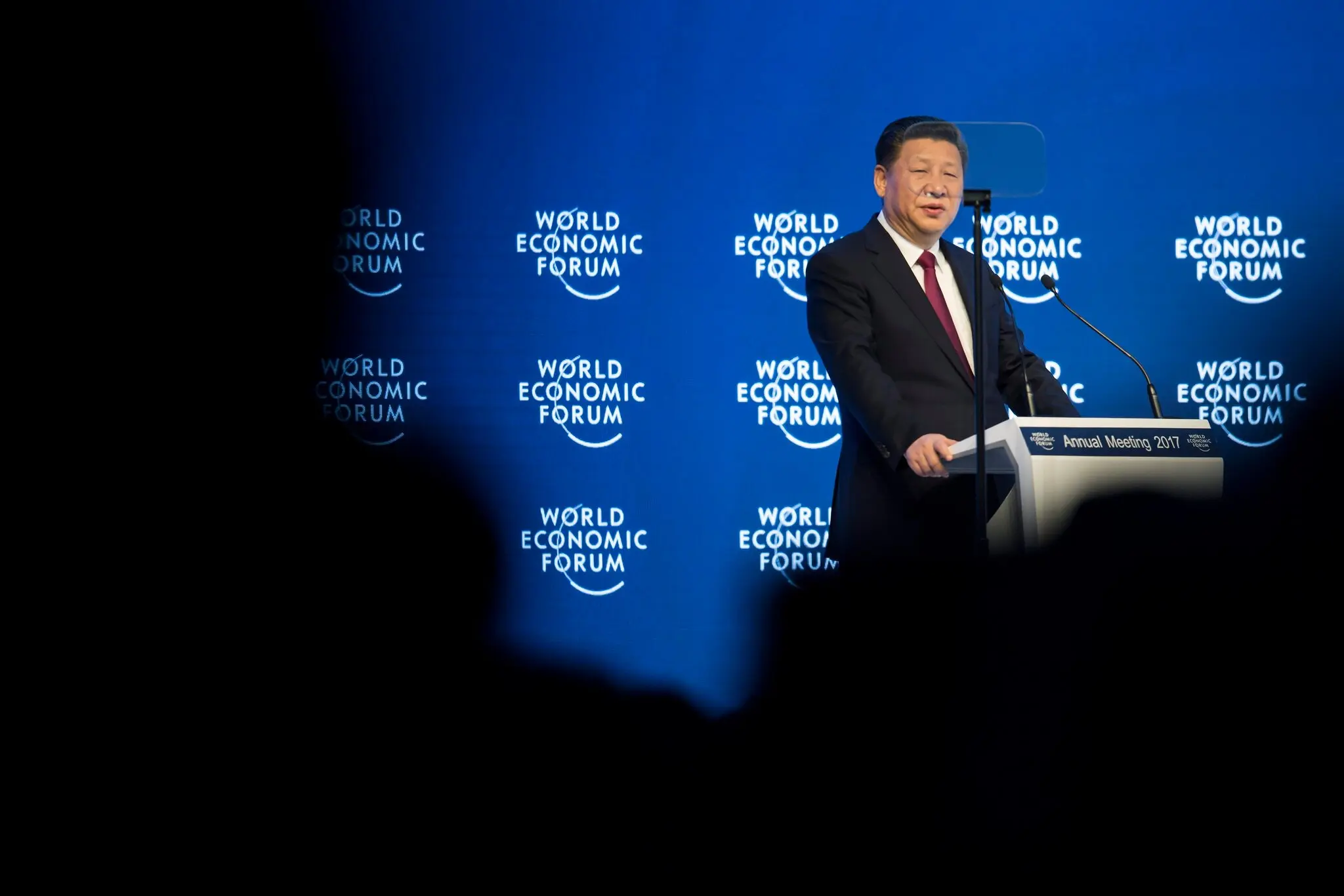
The speech marked a stark ideological reversal. Davos, long seen as a temple of globalization, became the stage for Trump’s rejection of it. Just nine years earlier, Chinese President Xi Jinping stood in the same auditorium to champion “economic globalization” and position China as a steward of international cooperation. That 2017 address—delivered days before Trump’s first inauguration—was widely interpreted as an attempt to fill the vacuum left by a retreating America. Now, Trump has made that retreat official.
By evening, Trump appeared to backtrack on one flashpoint: Greenland. In a social media post, he announced he would suspend tariff threats aimed at pressuring Denmark over the Arctic territory—at least while talks with U.S. envoys and European officials continued. The move spared immediate diplomatic rupture but did not undo the broader message of his speech.
His repudiation of the U.S.-led global order carries deep implications. For decades, this framework ensured relative peace, promoted democratic values, and underpinned institutions like NATO, the World Trade Organization, and the transatlantic alliance. Trump’s vision replaces collective security with transactional deals and national sovereignty over shared rules.
Critics warn this approach could accelerate global fragmentation, empower authoritarian rivals like China and Russia, and weaken America’s moral authority. Supporters argue it corrects historical imbalances and puts U.S. interests first.
Yet the symbolism was unmistakable. Where Xi once offered a vision of interconnected prosperity, Trump offered a world of walls, tariffs, and zero-sum competition. In doing so, he didn’t just critique the old order—he pronounced its end.