The U.S. Department of Housing and Urban Development (HUD) has launched an official investigation into a controversial Muslim-only housing initiative in Texas, known as The Meadow or the East Plano Islamic Center (EPIC City). The investigation, announced on February 13, 2026, follows allegations of religious and national origin discrimination against the developers behind the project. With support from local state officials, the investigation delves into potential violations of the Fair Housing Act, as the project’s marketing and financial mechanisms have raised red flags about the exclusivity of its sales process and the fairness of its policies.
The initiative, pitched as a “Muslim community” designed to be the “epicenter of Islam in America,” has ignited fierce debates across the state and beyond, with accusations of discriminatory practices leveled at both the developers and local authorities. As HUD scrutinizes the project’s conduct, key questions arise about the scope of religious discrimination in housing and the line between cultural identity and legal fairness.
Background of the Project:
The project in question, officially referred to as EPIC City, has garnered significant attention due to its controversial design and target audience. Its marketing materials promote it as a community exclusively for Muslims, with a stated goal of becoming a central hub for Islamic culture in the U.S. While promoting religious identity within a community is not in itself illegal, the federal investigation centers around whether the development’s practices create an environment of exclusion for people of other faiths or nationalities.
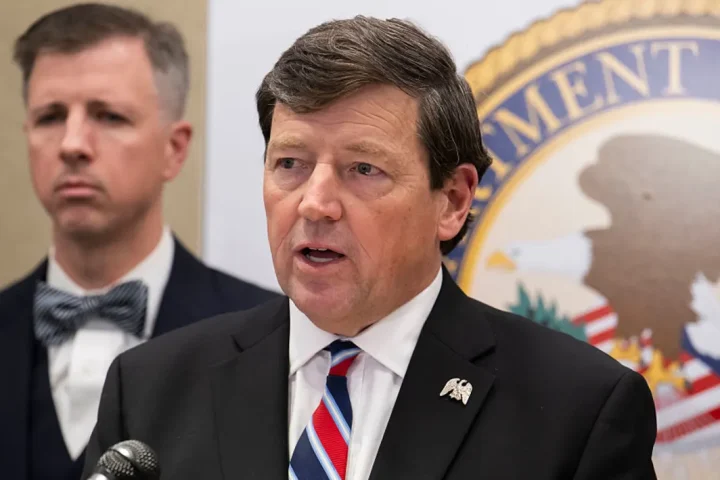
According to the HUD statement, the investigation was prompted by a formal complaint from the Texas Workforce Commission, which alleged a pattern of discriminatory conduct by the project developers, including EPIC Real Properties and Community Capital Partners. These entities are directly involved in the development of The Meadow project. The central issue is whether the project’s financial terms and sales processes are discriminatory against non-Muslim individuals, potentially violating the provisions of the Fair Housing Act, which prohibits discrimination based on religion, national origin, or other protected characteristics.
Discriminatory Allegations:
The primary allegations against The Meadow project involve its marketing and financial structure. The project’s promotional materials explicitly label it as a “Muslim community,” raising concerns about its potential to exclude non-Muslim buyers. Critics argue that this exclusive focus on a particular religious group could be seen as a form of discrimination against individuals of other faiths, particularly in a country that prides itself on religious diversity and inclusion.
Further allegations suggest that the project employs biased financial terms, which may require lot owners to contribute to the construction of Islamic educational centers and mosques. These requirements, according to HUD, could constitute a form of financial discrimination, as non-Muslim buyers may feel pressured to subsidize religious infrastructure they do not support. Additionally, there are claims that the project uses a two-tier lottery system for the allocation of lots, providing preferential treatment to a select group of buyers. This tiered system may limit access to the housing community, further perpetuating concerns about religious discrimination in the housing process.
State Support and Local Reactions:
The investigation by HUD comes amid a broader, ongoing legal and political battle over the project, with Texas Governor Greg Abbott and state officials strongly backing the inquiry. In a statement from February 13, 2026, Abbott voiced his support for HUD Secretary Scott Turner’s efforts to investigate EPIC City, emphasizing that discriminatory practices in housing would not be tolerated in Texas. Abbott’s office highlighted several earlier actions taken by the state against the EPIC City project, including investigations into environmental and securities law violations.
The Texas Commission on Environmental Quality had already found that the project developers had failed to obtain the necessary permits, halting progress on construction in April 2025. Additionally, in November 2025, the Texas State Securities Board raised concerns about potential fraudulent activities, such as unauthorized sales and misleading statements regarding securities.
The scrutiny of the EPIC City project has sparked mixed reactions. While some residents and local officials have voiced concerns about the cultural and political implications of the project, others have criticized what they see as an overreach by authorities. Some critics argue that the investigation is driven by Islamophobic sentiments, while others point to the legal complexities surrounding religious communities’ ability to create spaces that cater to their members’ needs.
Legal and Political Tensions:
The situation surrounding The Meadow has become a flashpoint in the broader debate over religious freedom, minority rights, and the role of government in regulating housing markets. Critics of the project argue that it violates the principle of inclusivity by creating a community exclusively for one religious group. Proponents of the project, however, contend that creating spaces for religious expression and cultural identity is a fundamental right protected under the First Amendment.
In a move that has attracted attention, Texas Attorney General Ken Paxton has been actively involved in investigating the legal aspects of the EPIC City development. His office has filed several complaints against the developers, accusing them of violating state securities laws. Paxton’s actions have been met with vocal criticism from Muslim groups, who see these efforts as part of a broader pattern of targeting Islamic communities in Texas.
In response to the legal challenges, Mustafaa Carroll, interim executive director of the Austin and Dallas-Fort Worth chapters of the Council on American-Islamic Relations (CAIR), came to the defense of the project. Carroll condemned what he described as “abuse of power” by local authorities and argued that the investigations against EPIC City were politically motivated. He further criticized the authorities for violating the constitutional rights of Muslim communities in Texas, particularly their right to practice their religion freely.
Legal and Cultural Implications:
The legal battles surrounding The Meadow project are far from over. The involvement of various state and federal agencies has highlighted the intersection of religious freedom, housing laws, and community development. As Texas and federal authorities continue to investigate the project, the ultimate outcome could set a significant precedent for how similar developments are treated in the future.
The case also underscores the tensions between cultural integration and community self-determination. While some view the project as an important step toward creating a safe and supportive space for Muslims in the U.S., others argue that it risks fostering division and exclusion. The investigation into EPIC City, therefore, is not just about one development but about how America balances religious freedom with the principles of equality and inclusion in public spaces.
Wider Context and Future Developments:
As the investigation unfolds, attention is also turning to the broader implications of the case. The tension between religious autonomy and discrimination in housing is an issue that will likely continue to shape debates on community development and housing policies in the U.S. Moreover, the way this situation is handled could influence how future projects, especially those catering to specific religious or cultural groups, are regulated across the country.
The coming months will likely see more legal action, as both state and federal authorities continue to scrutinize the actions of EPIC City’s developers. How the case is resolved will not only affect the future of The Meadow but also set the tone for how religious communities can navigate the legal landscape of housing and community development in the U.S.