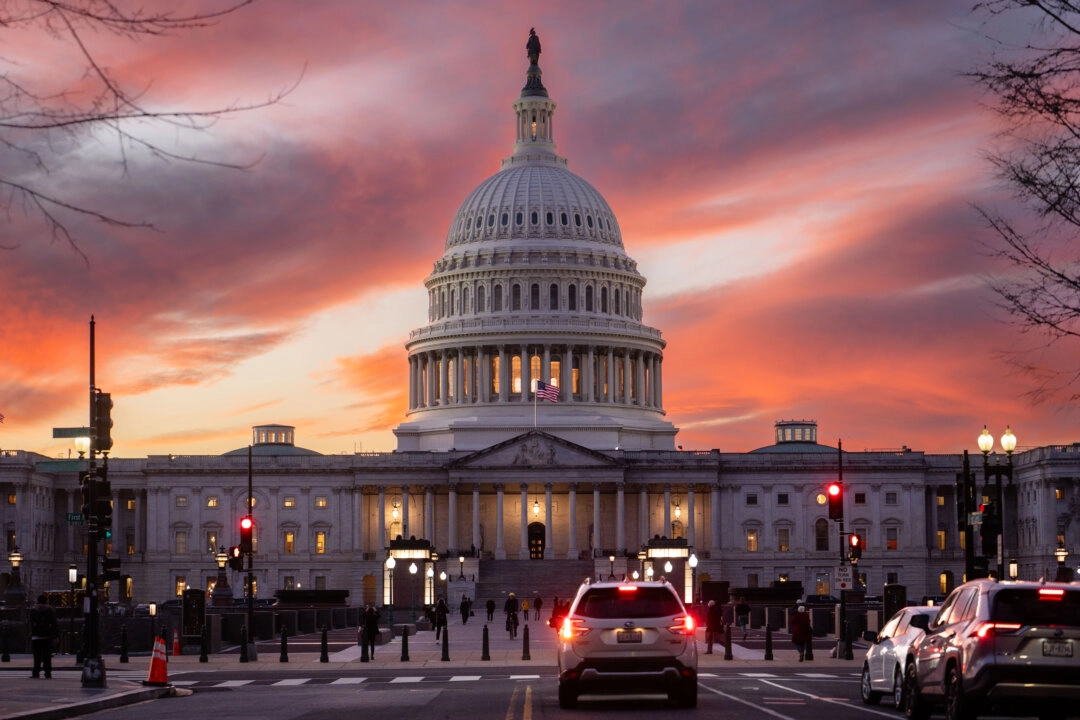
The US Senate has voted to shelve a Democratic-led bill that sought to limit President Donald Trump’s authority to direct further military action against Venezuela, marking a significant procedural victory for the White House and exposing deep divisions within Congress over war powers.
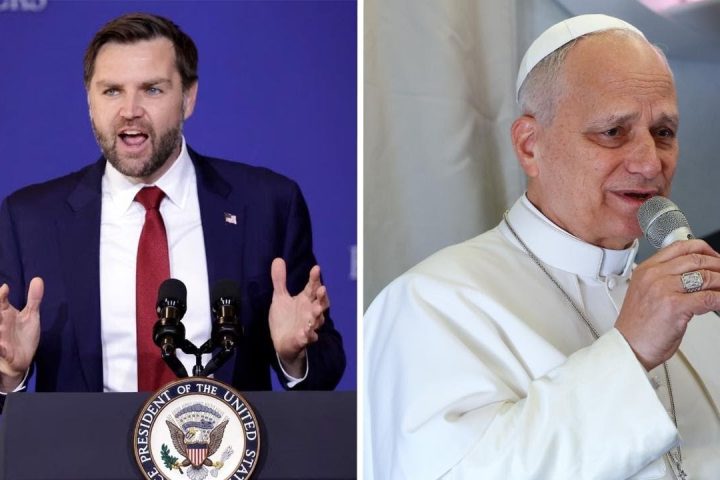
The decision came late on January 14 after a tense floor debate and a rare tie-breaking vote cast by Vice President JD Vance, effectively halting a War Powers resolution that had appeared headed for a final vote.
How the War Powers Resolution Was Halted
The measure, sponsored by Senator Tim Kaine, aimed to require congressional approval before the president could continue or expand US military involvement in Venezuela. However, Senator James Risch, a Republican, raised a point of order arguing that the resolution was procedurally invalid.
Risch contended that the War Powers Act applies only when US forces are engaged in ongoing hostilities. Since there are currently no American troops deployed inside Venezuela, he argued, the resolution lacked legal relevance.
“There is no language in this resolution that addresses future action,” Risch told senators, adding that the law does not permit preemptive limits unless hostilities are underway.
The Senate split evenly, 50–50, on whether to uphold Risch’s point of order. Vice President Vance then cast the decisive vote in favor of tabling the resolution, preventing it from advancing to a final vote.
Background: US Actions in Venezuela
The vote follows a dramatic escalation in US involvement with Venezuela earlier this month. On January 3, US forces carried out a pre-dawn raid that resulted in the capture of Venezuelan leader Nicolás Maduro, who was taken to the United States to face federal criminal charges related to drug trafficking.
Although the Trump administration has confirmed that no US troops remain stationed inside Venezuela, questions persist over continued military activities, including maritime operations targeting drug trafficking routes and enforcement of a blockade on sanctioned Venezuelan oil shipments.
Republican Divisions and Trump’s Reaction
The procedural defeat marked a reversal for two Republican senators who had previously supported moving the resolution forward. Senators Josh Hawley and Todd Young flipped their votes to back Risch’s maneuver, while Senators Susan Collins, Lisa Murkowski, and Rand Paul continued to support the Democratic-led effort.
President Donald Trump had sharply criticized Republicans who initially backed the resolution, accusing them of undermining his authority as commander-in-chief. In a January 8 post on Truth Social, Trump said those senators “should never be elected to office again.”
Following the January 14 vote, Senator Young said he supported Trump’s decision to capture Maduro but remained wary of deeper US military involvement in stabilizing Venezuela. He said conversations with the administration had produced assurances that Congress would be consulted before any major future military operation.
Democrats Warn of Executive Overreach
Democratic lawmakers argued that Congress had been sidelined at critical moments. Senator Adam Schiff said lawmakers should have voted on an authorization for the use of military force when Trump ordered a blockade of sanctioned Venezuelan oil tankers in December 2025 and again before the January 3 raid.
“None of that took place,” Schiff told reporters after the vote, adding that he remained unconvinced by administration promises to seek congressional approval in the future.
Kaine echoed those concerns during floor remarks, noting that while US troops are not currently deployed on Venezuelan soil, American military operations appear to be ongoing at sea and in the air. He cited statements from Secretary of State Marco Rubio, who acknowledged that although there are no troops in Venezuela, US forces may still be engaged in hostilities.
What the Vote Means Going Forward
By shelving the War Powers resolution, the Senate has avoided a direct vote on whether to curtail the president’s authority over Venezuela policy. The outcome reinforces the executive branch’s flexibility in conducting limited or short-term military operations without explicit congressional approval, particularly when no sustained troop deployment is involved.
However, the narrow margin and visible bipartisan unease suggest the issue is far from settled. As US involvement in Venezuela continues to evolve, lawmakers from both parties are likely to revisit questions over the balance of power between Congress and the president in matters of war and national security.
For now, the vote underscores a familiar tension in Washington: the struggle between constitutional checks and balances and the realities of modern, fast-moving military operations.