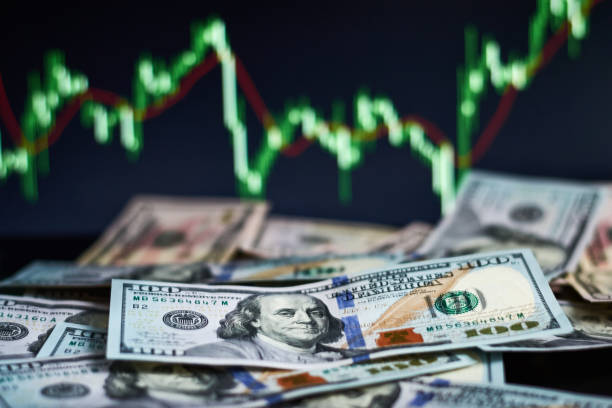
The U.S. dollar has long been the dominant global currency, recognized for its stability and widespread use in international trade, finance, and investment. However, in recent years, there has been growing concern over the decline of the dollar, and its potential impacts on the U.S. economy and the global financial system. In this article, we will explore the factors contributing to the dollar’s decline, its implications for the U.S. economy, and the broader effects on global markets.
Factors Contributing to the Decline of the Dollar
The decline of the U.S. dollar is not a sudden event but rather a result of various factors that have evolved over time. Here are some of the key contributors to the weakening of the dollar:
1. Inflation and Monetary Policy
One of the primary drivers of the dollar’s decline is inflation, particularly the significant inflationary pressures that the U.S. economy has experienced in recent years. The U.S. Federal Reserve’s monetary policy, which includes actions such as low interest rates and large-scale asset purchases (also known as quantitative easing), has led to an increase in the money supply. When more dollars are in circulation, the value of the dollar tends to decrease, contributing to a decline in purchasing power.
Additionally, the Fed’s response to inflation, including interest rate hikes, can have mixed effects on the dollar. While higher interest rates can attract foreign investment and support the dollar’s value in the short term, the long-term outlook depends on how the Fed manages its policy in the face of ongoing inflation and economic uncertainty.
2. Trade Deficits and National Debt
Another major factor influencing the dollar’s decline is the U.S. trade deficit. The U.S. has run a trade deficit for decades, meaning it imports more goods and services than it exports. This situation leads to a higher demand for foreign currencies as Americans purchase goods from abroad, which in turn increases the supply of U.S. dollars in international markets. The result is a depreciation of the dollar relative to other currencies.
Similarly, the national debt also plays a crucial role in the dollar’s decline. As the U.S. government borrows more money to finance its debt, it increases the supply of U.S. Treasury bonds in the global market. If foreign investors begin to question the ability of the U.S. to meet its debt obligations or if they seek better returns elsewhere, the demand for the dollar could decrease, putting downward pressure on its value.
3. Geopolitical Factors and Global Competition
The dollar’s position as the world’s reserve currency has historically been supported by geopolitical stability and the strength of the U.S. economy. However, in recent years, other countries, particularly China and the European Union, have sought to reduce their reliance on the dollar. China’s efforts to internationalize the yuan, and the European Union’s push for greater use of the euro in global trade, have led to concerns about the dollar’s long-term dominance.
The Russian invasion of Ukraine in 2022 and the subsequent sanctions placed on Russia by the U.S. and its allies have also spurred global discussions about alternatives to the dollar in international trade. Countries like Brazil, India, and China are increasingly looking to trade in their local currencies, bypassing the need for the dollar in certain transactions. While these efforts are still in the early stages, they highlight a shift in the global financial landscape that could weaken the dollar’s position as the world’s primary reserve currency.
Implications of a Declining Dollar on the U.S. Economy
The decline of the dollar has significant consequences for the U.S. economy. While some effects can be beneficial, others present serious challenges.
1. Inflationary Pressures
One of the most direct consequences of a declining dollar is higher inflation. As the dollar weakens, the cost of imported goods rises. This affects everyday items such as food, fuel, and electronics, which are often imported from abroad. Higher import prices can lead to an overall increase in the cost of living for U.S. consumers, contributing to inflationary pressures.
In addition, as the cost of goods rises, businesses may face higher production costs, which could lead to price increases for consumers. This inflationary cycle can erode the purchasing power of U.S. households and affect the overall economic stability.
2. Impact on International Trade
A weaker dollar can have both positive and negative effects on international trade. On the positive side, a depreciating dollar makes U.S. exports cheaper for foreign buyers, potentially boosting demand for American-made goods. This could help reduce the trade deficit in the short term as U.S. companies become more competitive in the global market.
However, the downside is that while U.S. exports may become cheaper, imported goods become more expensive for American consumers. This can lead to increased production costs for businesses that rely on imported materials and components. As a result, consumers may face higher prices for a wide range of products, from consumer goods to electronics.
3. Capital Flight and Investment Risks
Another significant impact of a declining dollar is the potential for capital flight. As the value of the dollar falls, investors may seek safer or higher-return opportunities in other currencies or markets. This could lead to reduced demand for U.S. assets, such as Treasury bonds and stocks, particularly if foreign investors lose confidence in the U.S. economy or if they perceive better investment opportunities elsewhere.
A decrease in foreign investment could further weaken the dollar and create additional challenges for the U.S. economy. Additionally, if interest rates rise in other countries due to inflationary pressures or changing monetary policies, U.S. bonds may become less attractive compared to investments in other currencies, further compounding the dollar’s decline.
4. Debt Burden and Government Spending
The value of the dollar is also closely linked to the U.S. government’s debt. When the dollar weakens, the cost of servicing U.S. debt denominated in foreign currencies increases, placing additional strain on government finances. This could lead to higher borrowing costs for the U.S. government, making it more expensive to finance its debt.
Furthermore, as the U.S. government continues to run budget deficits and increase its national debt, a weaker dollar could undermine the effectiveness of government spending and fiscal policy. The declining value of the dollar might result in reduced international confidence in U.S. debt, which could raise borrowing costs and make it more difficult for the government to finance its programs.
Global Impact of a Declining Dollar
While the decline of the U.S. dollar has significant consequences for the U.S. economy, it also has global ramifications. The dollar’s status as the world’s reserve currency means that its decline can affect global trade, finance, and geopolitical relations.
1. Currency Shifts in Global Trade
As countries seek alternatives to the dollar, there may be a shift toward using other currencies for international trade. China’s yuan and the euro have been discussed as possible replacements for the dollar in certain regions, especially in trade between countries like China, Russia, and Brazil. If this trend continues, it could reduce demand for the U.S. dollar in global markets, further weakening its value.
2. Impact on Emerging Markets
Emerging market economies that are heavily reliant on the dollar for trade and debt financing may be particularly vulnerable to its decline. A weaker dollar can increase the cost of debt for these countries, particularly if they hold dollar-denominated debt. This could lead to financial instability in emerging markets, especially if their economies are not well-equipped to handle currency fluctuations.
3. Shifting Geopolitical Alliances
A decline in the dollar’s dominance could have geopolitical implications, as countries that have traditionally relied on the U.S. dollar in international trade may seek to align with other powers to diversify their currency exposure. This could lead to a shift in global power dynamics, with countries like China and the European Union gaining more influence in international financial markets.
Conclusion
The decline of the U.S. dollar has significant implications for both the U.S. economy and the global financial system. While there are factors such as inflation, trade deficits, and geopolitical shifts contributing to the dollar’s weakening, the effects are far-reaching. For the U.S. economy, a weaker dollar could lead to higher inflation, rising production costs, and challenges in managing debt. On the global stage, the decline of the dollar could shift power dynamics and create new opportunities for alternative currencies.
As the situation evolves, policymakers and economists will need to carefully monitor the dollar’s decline and assess its broader impact on global markets. Understanding the forces at play and their potential consequences will be key to navigating the changing financial landscape in the years to come.