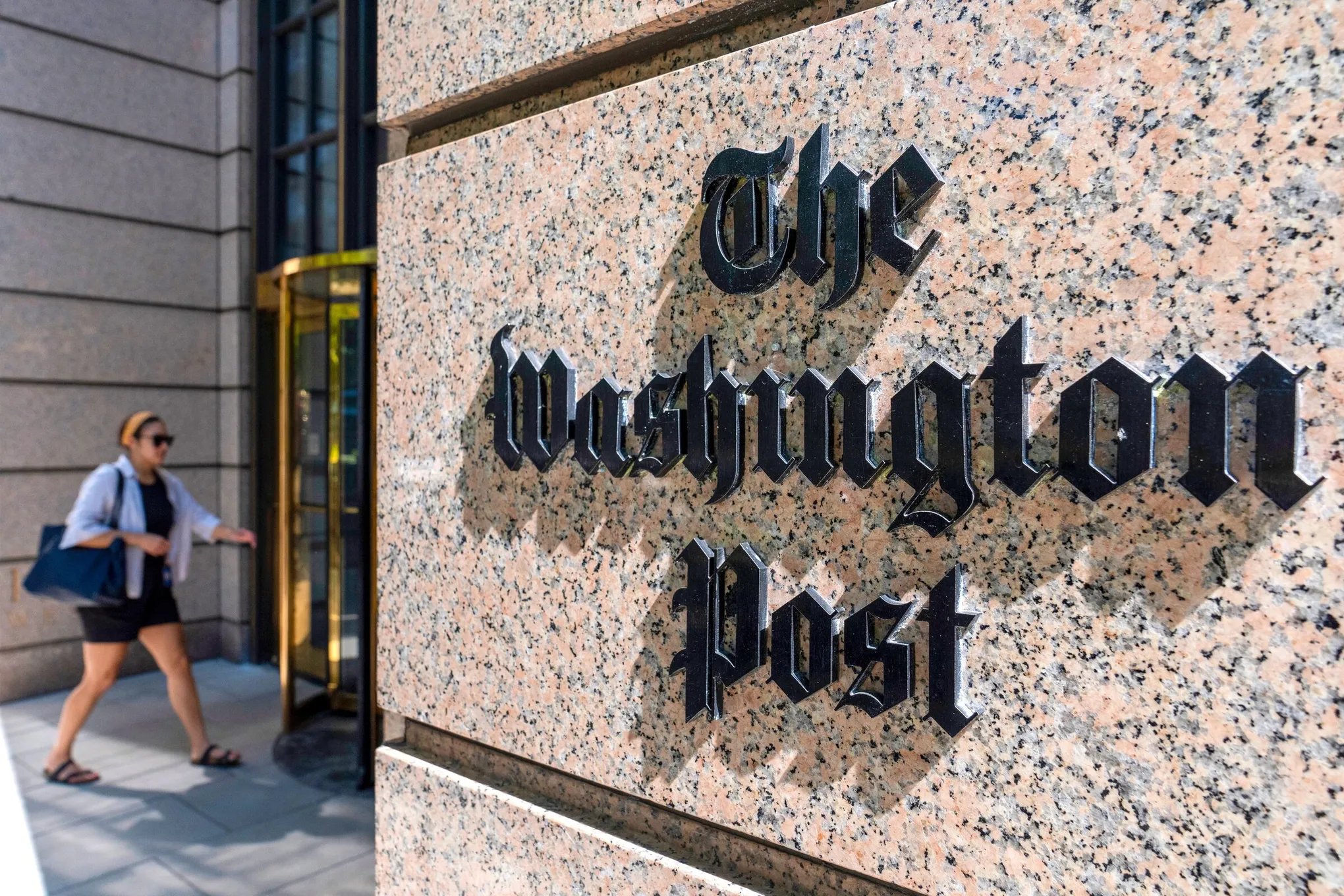
The Washington Post has carried out sweeping layoffs that affect nearly 30% of its workforce. This move marks a dramatic Washington Post layoffs and strategic shift toward national news, politics, business, and health—while drastically reducing sports, local coverage, and international reporting.
According to insiders, the company cut more than 300 of its roughly 800 newsroom journalists. It also reduced business-side staff. Executive Editor Matt Murray told employees the paper had “lost too much money for too long” and failed to meet reader needs. As a result, he said, the publication must now become “more essential” in an increasingly crowded media landscape.
Importantly, this Washington Post layoffs and strategic shift reflects deeper challenges under owner Jeff Bezos. The paper expanded after his 2013 acquisition, but it has struggled in recent years with declining audiences, falling digital traffic, and shrinking subscriptions. In fact, online search traffic has dropped by nearly half over the past three years—partly because generative AI now answers queries that once led readers to news sites. Daily story output has also declined significantly since 2020.
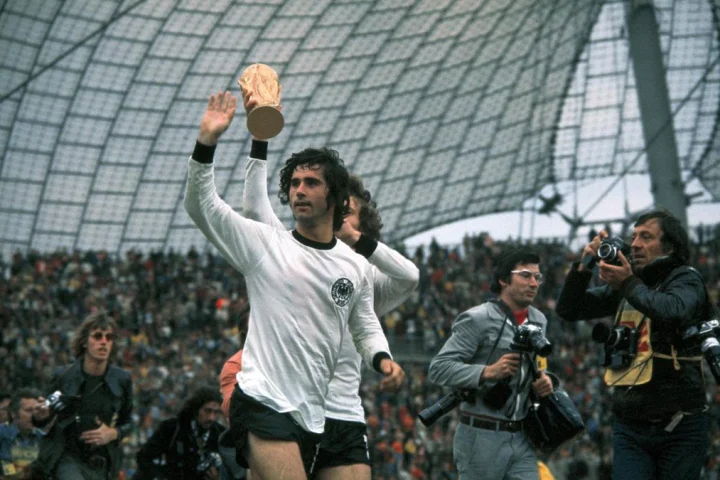
Consequently, the paper is eliminating or scaling back several key sections. It will close the entire sports section, though some reporters will move to features to cover sports culture. It will shrink the metro desk. the company is ending the books section and the “Post Reports” podcast. International coverage will shrink, with layoffs in the Middle East, India, and Australia—though correspondents will remain in about a dozen global locations.
Moreover, the human toll has been severe. Staff received blunt emails reading simply “Eliminated.” The paper cut a Ukraine correspondent while he reported from a war zone. It laid off all staff photographers. One sports reporter, already in Italy for the Winter Olympics, vowed to keep filing stories despite his layoff.
Matt Murray acknowledged the pain but defended the plan as necessary. He admitted the Post had been “too rooted in a different era” as a dominant local print product. Still, he insisted the newsroom would continue collaborating and that this wouldn’t be the “final footprint” forever.
This Washington Post layoffs and strategic shift follows broader turmoil under Publisher Will Lewis, whom Jeff Bezos hired in late 2023 to steer the paper toward profitability. Lewis has pushed AI-driven tools for comments and content aggregation. Yet his tenure has been rocky—from leadership shake-ups to backlash over ending presidential endorsements before the 2024 election, which triggered mass subscriber cancellations.
Industry-wide, publishers face similar pressures. Print circulation keeps falling. Digital traffic is siphoned off by AI and social platforms. Many outlets now rely on events, memberships, and niche offerings to survive. The Post is no exception.
Critics called the cuts devastating. Former Executive Editor Marty Baron said it was “among the darkest days” in the paper’s history. Longtime owner Don Graham lamented losing the sports section he’d read since childhood. Economics correspondent Jeff Stein mourned colleagues “punished for mistakes they did not cause.”
In short, the Washington Post layoffs and strategic shift reveals a painful truth: even iconic institutions must adapt—or risk irrelevance. While the new focus may stabilize finances, it comes at the cost of breadth, depth, and the very diversity of coverage that once defined The Post’s greatness.
READ: Paul Weiss Chairman Brad Karp Resigns Over Epstein Ties