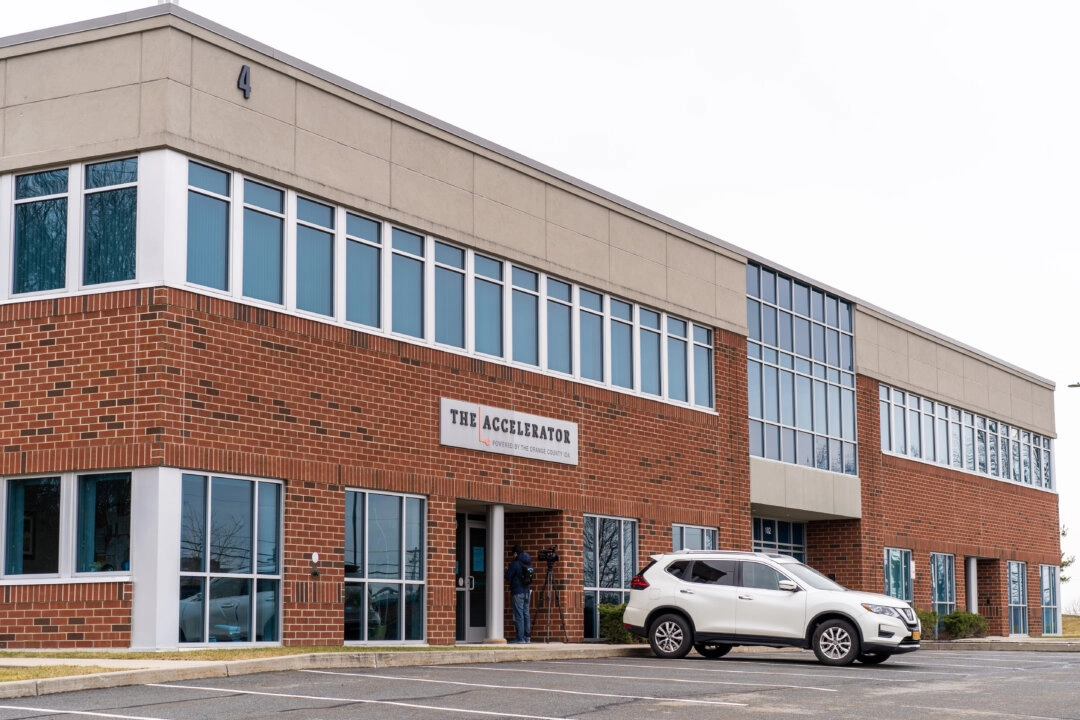
The Orange County Industrial Development Agency (IDA) has taken legal action against the state-appointed monitor for the agency, Brian Sanvidge, and the New York state Office of the Inspector General. The lawsuit stems from Sanvidge’s veto of a tax break granted to an Amazon warehouse project in the Town of Wawayanda, a decision that has sparked controversy and political debate. The IDA argues that the veto was not only too late but also influenced by political pressure. This post will explore the details of the lawsuit, the background of the tax break decision, and the broader implications of the dispute.
Background of the Dispute
In October 2025, the Orange County IDA approved an $80 million tax break for an Amazon fulfillment center in Wawayanda. The 3.2-million-square-foot warehouse project was expected to create significant economic benefits, including 750 permanent jobs and hundreds of construction jobs. However, the approval was met with resistance from local politicians and community groups, particularly state Senator James Skoufis, who rallied over 1,000 residents to oppose the tax break.
Despite the objections, the tax break was approved by the IDA. However, just a month later, on November 25, 2025, Sanvidge, the state-appointed monitor, exercised his veto power and blocked the tax break. This move led to an intense legal battle, with the IDA calling the veto unlawful and politically motivated.
The Lawsuit Against the Monitor and Inspector General
On December 17, 2025, the Orange County IDA voted to open a lawsuit against Sanvidge and the New York state Office of the Inspector General, which is responsible for the monitor’s appointment. The IDA argues that Sanvidge’s veto came too late, violating a statutory cutoff for decisions. According to the agency, the veto was issued 15 days after the November 10 deadline for finalizing the decision on the tax break, rendering it invalid.
Additionally, the IDA claims that the veto was the result of political pressure from Senator Skoufis, who had been vocal in his opposition to the project. The agency further contends that Sanvidge had been involved in the project’s lengthy review process and had not raised any concerns during that time. It was only after the project had passed all approvals that Sanvidge vetoed the tax break without offering any objections.
Senator Skoufis’s Role and the Political Pressure
Senator Skoufis, a key figure behind the creation of the state monitor position in 2023, has advocated for the continuation of the monitor’s role beyond 2026, when funding for the position is set to expire. Skoufis’s involvement has been pivotal in the creation of the position, and his actions have raised questions about the influence of local political figures on the decisions made by the IDA.
In a statement, IDA Vice Chairman Dean Tamburi expressed frustration with the situation, stating, “It’s deeply troubling that the monitor did not share any concerns whatsoever during our lengthy review process, and then attempted to veto the project without offering a single objection. His actions have put at least a thousand local, union labor jobs at risk.” Tamburi emphasized the importance of the project for local employment and economic growth.
Sanvidge’s Defense of His Actions
Brian Sanvidge defended his veto of the tax break, stating that he had raised concerns about the project during the review process, particularly about the speed with which the tax break was being approved. In an interview with The Epoch Times, Sanvidge explained, “We had a board meeting where they voted to pass it, and I asked Amazon’s counsel, ‘Why was the rush to do this?’ They were changing the resolution literally 15 minutes before the governance committee and sending me red line versions for me to review.”
Sanvidge also criticized the IDA for spending time and taxpayer money on a lawsuit to block oversight, arguing that the veto was a necessary step to ensure transparency and accountability in the decision-making process.
Skoufis and the Inspector General’s Response
Senator Skoufis also weighed in, expressing disappointment over the IDA’s actions. He argued that the agency was trying to eliminate accountability and oversight for its decisions. “It’s disheartening that the development agency would spend money and time trying to eliminate accountability and oversight for its actions,” Skoufis said in a statement.
The Office of the Inspector General, when contacted, declined to comment on the situation, citing ongoing litigation. This lack of comment has left many questions unanswered about the role of the Inspector General’s office in the controversy.
The legal battle between the Orange County Industrial Development Agency and the state-appointed monitor, Brian Sanvidge, raises significant questions about political influence, transparency, and the future of economic development projects in the region. The lawsuit over the Amazon warehouse tax break is not just a local dispute but a larger reflection of the tension between political oversight and the pursuit of economic growth. As the case unfolds, it will likely have broader implications for how development agencies operate and how political pressure can shape important decisions in the business world.