Choosing where to live in New York City has always been a personal decision shaped by lifestyle, budget, and long-term goals. In 2026, the city continues to evolve, with neighborhoods adapting to post-pandemic realities, remote work trends, and renewed investment in housing and infrastructure. While no single area suits everyone, several neighborhoods stand out for their quality of life, accessibility, safety, and community appeal. Below is a detailed look at some of the best neighborhoods to live in New York City in 2026.
Upper West Side: Balanced City Living
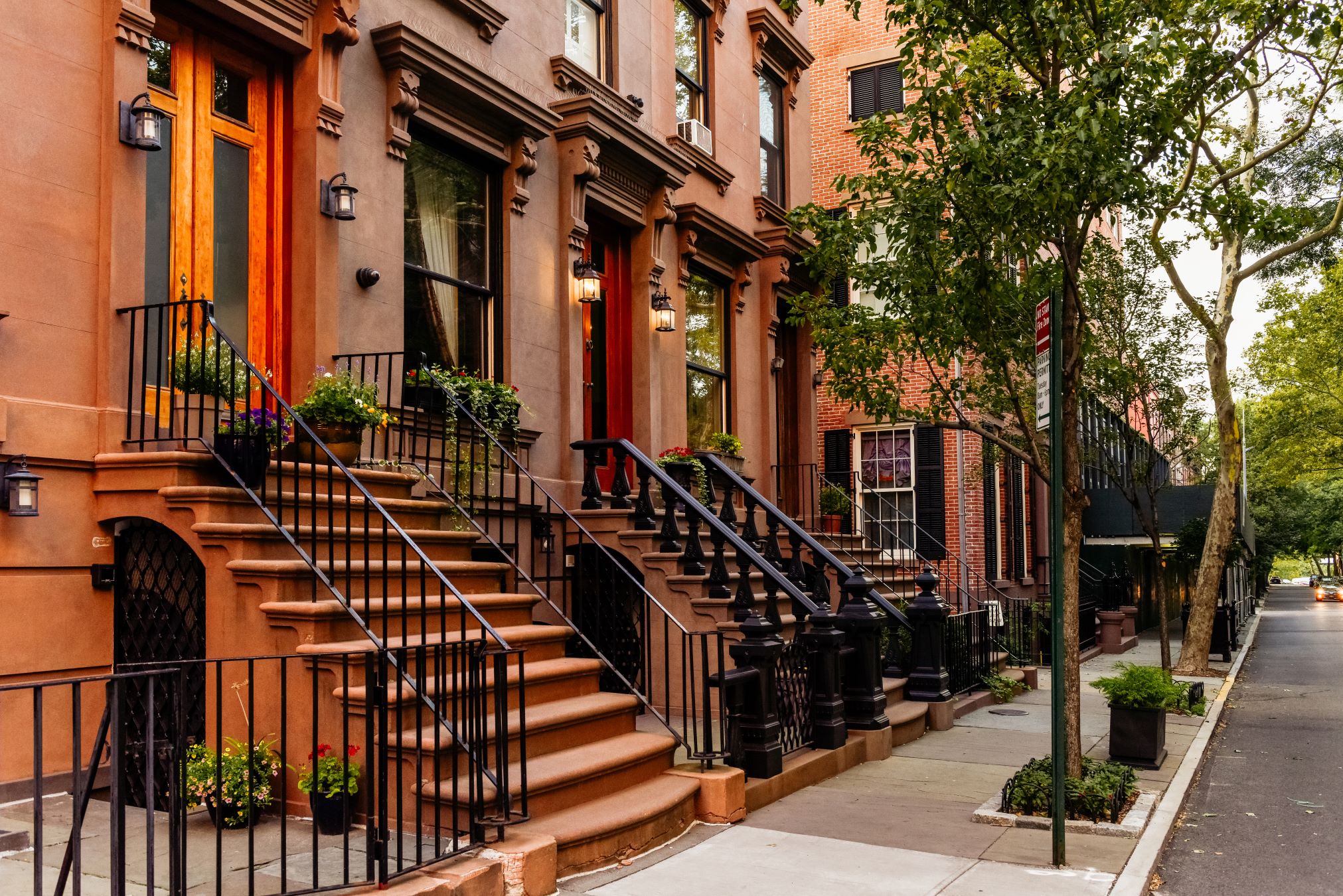
The Upper West Side remains one of Manhattan’s most desirable residential neighborhoods. Known for its tree-lined streets, historic brownstones, and proximity to both Central Park and Riverside Park, the area offers a rare balance of nature and urban convenience.
Residents enjoy excellent public transportation, strong public schools, and a wide range of cultural institutions. The neighborhood appeals to families, professionals, and retirees alike. In 2026, the Upper West Side continues to benefit from stable housing demand and well-maintained infrastructure, making it a dependable choice for long-term living.

Brooklyn Heights: Historic Charm and City Access
Brooklyn Heights combines old-world charm with modern convenience. Its historic townhouses, quiet streets, and iconic waterfront promenade offer stunning views of the Manhattan skyline. Despite its calm atmosphere, Brooklyn Heights provides quick subway access to Lower Manhattan.
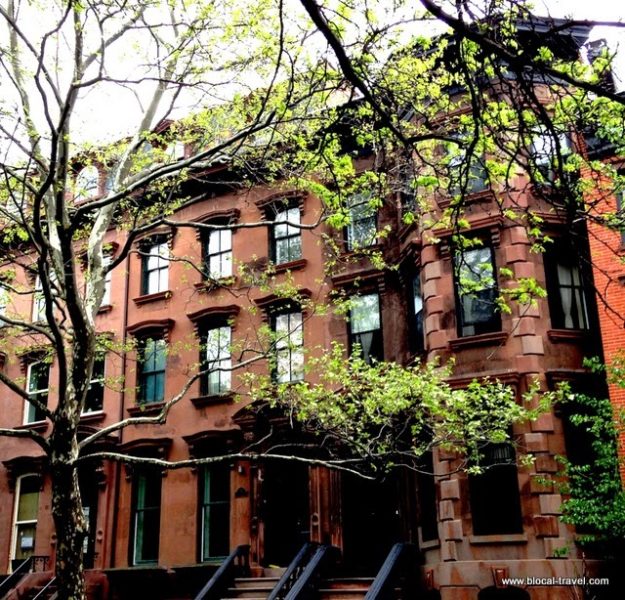
In 2026, the neighborhood remains popular with professionals seeking a quieter lifestyle without sacrificing commute times. Its strong sense of community, safety, and access to parks make it especially attractive for families and couples.
Williamsburg: Creative Energy and Lifestyle Appeal
Once known primarily as an arts district, Williamsburg has matured into a full-service neighborhood. In 2026, it continues to attract young professionals, creatives, and entrepreneurs. The area offers vibrant nightlife, diverse dining options, and a strong cultural scene.
Williamsburg’s waterfront developments, ferry access, and proximity to Manhattan enhance its appeal. While rents remain higher than other Brooklyn neighborhoods, many residents value the lifestyle, walkability, and community atmosphere that Williamsburg provides.
Long Island City: Modern Living in Queens
Located just across the East River from Manhattan, Long Island City has become one of New York’s fastest-growing residential areas. High-rise apartments, waterfront parks, and excellent subway connectivity define the neighborhood.
In 2026, Long Island City appeals to professionals who want modern amenities, shorter commutes, and comparatively better value for money. The area’s expanding arts scene, growing restaurant options, and scenic riverfront continue to strengthen its reputation as a top place to live.
Astoria: Culture, Community, and Value
Also in Queens, Astoria stands out for its strong community feel and cultural diversity. Known for its food scene, walkable streets, and relaxed pace, Astoria offers a more affordable alternative to Manhattan and parts of Brooklyn.
Residents benefit from reliable subway access, proximity to Astoria Park, and a welcoming neighborhood atmosphere. In 2026, Astoria remains especially attractive to families and professionals seeking space, character, and value without leaving the city.
Harlem: History, Renewal, and Opportunity
Harlem continues its steady transformation while preserving its deep cultural roots. The neighborhood offers a mix of historic architecture, expanding dining options, and improved infrastructure.
Harlem’s appeal in 2026 lies in its relative affordability compared to other Manhattan neighborhoods and its strong sense of identity. Improved transit access and community investment make it a compelling option for residents looking for long-term growth potential.
Park Slope: Family-Friendly and Green
Park Slope remains one of Brooklyn’s most family-oriented neighborhoods. Its proximity to Prospect Park, excellent schools, and calm residential streets make it ideal for those raising children in the city.
In 2026, Park Slope continues to rank highly for safety, quality of life, and community engagement. While housing prices are premium, many residents see the value in the neighborhood’s stability and livability.
Financial District: Urban Convenience and Modern Housing
Once dominated by office buildings, the Financial District has evolved into a vibrant residential area. Luxury apartments, waterfront access, and improved retail options define the neighborhood today.
In 2026, the Financial District appeals to professionals who value convenience, modern housing, and proximity to transit hubs. The area’s quieter evenings and growing residential services make it more livable than in previous decades.
Final Thoughts
The best neighborhoods to live in New York City in 2026 reflect a mix of tradition and transformation. Whether you prefer Manhattan’s classic elegance, Brooklyn’s creative communities, or Queens’ value-driven neighborhoods, the city offers diverse options to match different lifestyles. As housing patterns and work habits continue to evolve, these neighborhoods stand out for their resilience, livability, and long-term appeal in one of the world’s most dynamic cities.