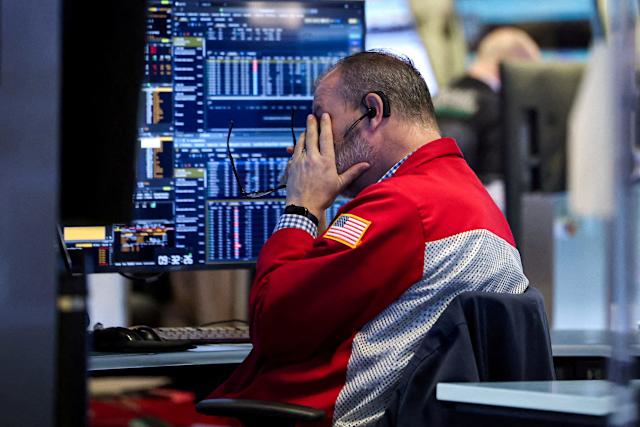
US stock futures slip as rising oil prices and geopolitical tensions unsettle global markets, pushing investors toward caution. On Thursday, futures for major indexes moved lower as crude prices surged following intensified hostilities in the Middle East. Consequently, inflation concerns have returned to the forefront, forcing investors to reassess expectations for interest rate cuts.
The US stock futures slip trend reflects a broader shift in sentiment. Brent crude climbed sharply and reached about 115 dollars per barrel after Iran struck energy facilities across the region. As a result, energy costs surged and raised fears of persistent inflation. Higher fuel prices often feed into transportation and production costs, which in turn influence consumer prices. Therefore, markets reacted quickly to the renewed pressure.
At the same time, the US stock futures slip movement follows signals from the Federal Reserve. Policymakers left interest rates unchanged but warned about rising inflation risks. Fed Chair Jerome Powell emphasized uncertainty and noted that the economic impact of the conflict remains unclear. However, he maintained that only one rate cut may occur this year. This cautious stance has reduced expectations for aggressive easing.
Investors have already begun adjusting their outlook. Major financial institutions now expect rate cuts to come later than previously predicted. For instance, some forecasts have shifted from mid-year to September. Meanwhile, traders have largely priced out any immediate easing. Instead, they now anticipate a more gradual policy shift over the coming years.
The US stock futures slip also coincided with weakness in technology and semiconductor stocks. Micron Technology, despite issuing a strong forecast, saw its shares fall about 4.5 percent in premarket trading. Investors focused on the company’s higher capital spending plans, which may pressure margins in a high-interest-rate environment.
Similarly, other memory chip stocks declined. SanDisk dropped sharply, while Western Digital also slipped. Even major AI players experienced mild losses. This suggests that strong earnings alone are no longer enough to support valuations when borrowing costs remain elevated.
Meanwhile, the US stock futures slip extended across broader markets. Dow futures fell by about 0.29 percent, S&P 500 futures declined 0.34 percent, and Nasdaq futures dropped nearly 0.5 percent. These moves followed a broader selloff in both stocks and bonds after the Fed’s latest decision.
Importantly, key indexes have now fallen below their 200-day moving averages. This technical level often signals long-term momentum. When markets break below it, investors may interpret it as a sign of weakening trends. Consequently, caution tends to increase across trading desks.
The US stock futures slip also highlights how energy markets influence equities. Rising oil prices create a dual challenge. On one hand, they push inflation higher. On the other hand, they slow economic growth by increasing costs for businesses and consumers. Therefore, central banks face limited options when responding to such supply shocks.
In addition, the conflict in the Middle East has introduced new uncertainties. Attacks on energy infrastructure have raised concerns about supply disruptions. At the same time, strategic routes such as the Strait of Hormuz remain critical for global oil shipments. Any disruption there could amplify market volatility further.
The US stock futures slip has also affected sector performance. Travel-related stocks, which are sensitive to fuel costs, moved slightly lower. Airlines and cruise companies often face pressure when oil prices rise, as fuel represents a major expense. Meanwhile, precious metals declined as expectations for higher interest rates strengthened the dollar.
Investors now turn their attention to upcoming economic data and policy signals. Weekly jobless claims will provide insight into labor market conditions. In addition, comments from policymakers may offer clues about future interest rate decisions. These factors could shape market direction in the short term.
The US stock futures slip also reflects a broader global dynamic. Markets are increasingly interconnected, and developments in one region quickly affect others. Geopolitical tensions, energy prices, and monetary policy now move together, creating a complex environment for investors.
Ultimately, the US stock futures slip signals a period of uncertainty rather than panic. Investors remain cautious as they balance strong corporate earnings with rising costs and geopolitical risks. While the market still shows resilience, the path forward will depend on how inflation, energy prices, and global tensions evolve in the coming weeks.