The head of NASA has delivered a blunt assessment of the near-failure of Boeing’s Starliner crew flight, placing responsibility not only on the aerospace manufacturer but also on shortcomings within the agency itself. Administrator Jared Isaacman said systemic issues, cultural pressures, and oversight gaps contributed to the troubled mission that left two astronauts in orbit for more than nine months.
Speaking on Feb. 19, Isaacman unveiled findings from a comprehensive investigation commissioned in early 2025 and finalized later that year. While the technical malfunctions were significant, he emphasized that deeper institutional failures on both sides played a decisive role in what he described as a preventable crisis.
Technical Setbacks and Thruster Failures
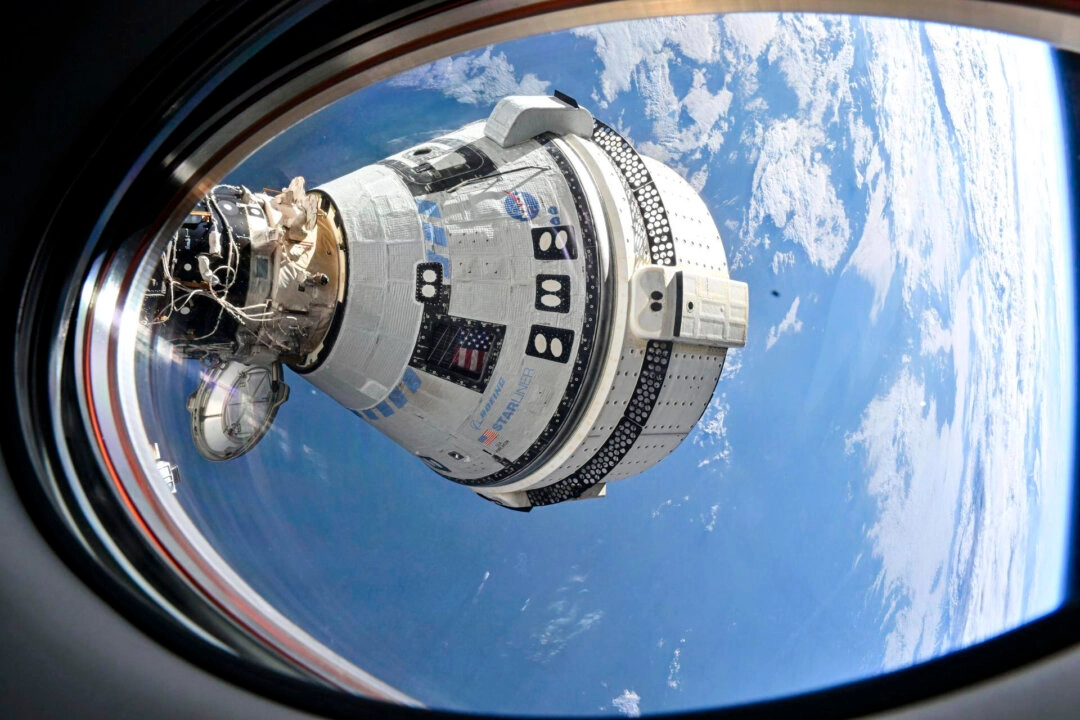
The Boeing CST-100 Starliner was designed as part of NASA’s Commercial Crew Program to provide reliable transportation for astronauts to and from the International Space Station. Despite years of development, the capsule has experienced repeated delays and anomalies.
Among the most concerning issues were helium leaks and propulsion system irregularities. Thruster malfunctions had already been recorded during earlier uncrewed test missions. Nevertheless, the agency authorized a crewed flight carrying astronauts Butch Wilmore and Suni Williams.
During that mission, multiple thrusters failed while the spacecraft was en route to the station. Ground teams worked to recover partial functionality, enabling docking to proceed. However, when the capsule later returned to Earth without the crew, additional thruster systems used during reentry were lost, compounding safety concerns.
Isaacman acknowledged that the outcome could have been far worse. He noted that had the propulsion recovery efforts failed or docking not succeeded, the situation might have escalated into a full-scale emergency.
Organizational Failures Identified
The investigative report concluded that Boeing did not deliver a spacecraft that fully met NASA’s certification standards and safety margins. At the same time, NASA was criticized for insufficient oversight during development and qualification phases.
According to the findings, post-mission reviews of earlier anomalies failed to adequately address root causes. Instead of driving corrective action to completion, investigations stopped short of ensuring that systemic vulnerabilities were eliminated.
Isaacman also cited what he described as an internal push to preserve two independent crew transportation systems. That institutional priority, he suggested, influenced risk assessments and operational decision-making surrounding Starliner’s readiness.
He warned that programmatic advocacy had exceeded reasonable limits, creating blind spots in evaluating mission risks. The report described an atmosphere where competing priorities diluted accountability and eroded trust.
Type A Mishap Classification
In a significant administrative move, Isaacman retroactively designated the Starliner incident as a “Type A Mishap,” a classification reserved for high-cost or high-risk failures demanding top-level review. This designation ensures direct attention from agency leadership and formalizes accountability processes.
The label has historically been applied to catastrophic events such as the 1986 Space Shuttle Challenger disaster and the 2003 Space Shuttle Columbia tragedy, both of which were later linked to leadership and cultural misjudgments. While the Starliner mission did not result in loss of life, the comparison underscores the seriousness with which current leadership views the episode.
Isaacman indicated that corrective action plans will be implemented across multiple levels of the agency. He did not specify personnel consequences but stressed that leadership accountability would be enforced.
Boeing’s Response and Ongoing Improvements
Boeing responded with a statement affirming its commitment to mission and crew safety. The company said it has been working over the past 18 months to strengthen the spacecraft’s propulsion system and resolve technical vulnerabilities identified during testing.
Boeing welcomed the investigative findings, stating that transparency and collaboration with NASA would enhance safety and reliability. The aerospace manufacturer reiterated that astronaut safety remains its highest priority as improvements continue.
The Starliner program now faces intensified scrutiny as it seeks to demonstrate readiness for future crewed missions. NASA leadership has made clear that no additional astronauts will board the capsule until propulsion systems are fully qualified and all investigative recommendations are addressed.
Future of Commercial Crew and Low Earth Orbit
Despite the setbacks, NASA continues to view commercial partnerships as essential to sustaining American presence in low Earth orbit. The International Space Station is scheduled for decommissioning in 2030, yet demand for orbital operations is expected to continue well beyond that date.
Isaacman underscored that the broader orbital economy will require multiple reliable providers for crew and cargo transportation. He expressed confidence that new space stations will follow the ISS, creating sustained opportunities for commercial spacecraft.
NASA’s commercial strategy aims to reduce reliance on government-built systems while fostering private-sector innovation. However, the Starliner episode highlights the complexity of balancing cost efficiency, redundancy, and uncompromising safety standards.
Isaacman emphasized that transparency would guide the agency’s path forward. The full investigative report will be released publicly, with redactions only where legally required or necessary to protect proprietary information.
He stated that acknowledging failures openly is essential in human spaceflight, where complacency can carry catastrophic consequences. The administrator framed the moment as a turning point intended to strengthen both NASA and its industry partners through renewed accountability and rigorous oversight.