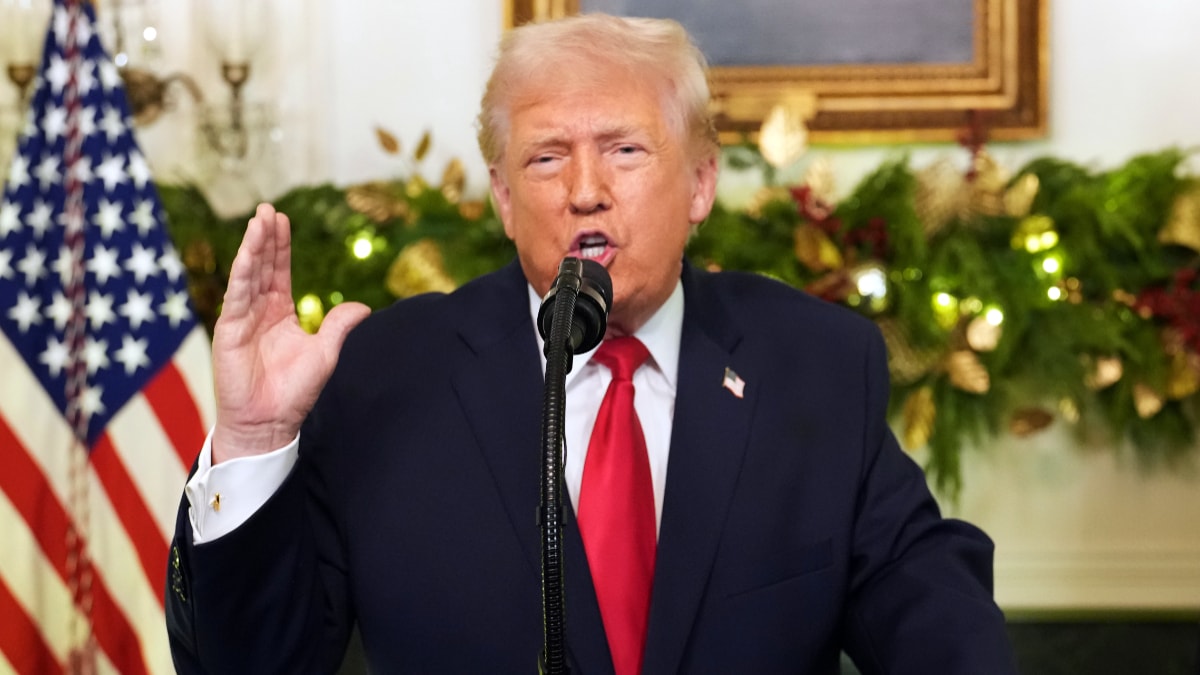
In a groundbreaking announcement, U.S. President Donald Trump revealed that India will begin importing oil from Venezuela, signaling a significant shift in global energy dynamics and trade relations. This deal, described as a strategic move, is set to help India replace some of its imports of Russian oil, which has become increasingly controversial due to the ongoing conflict in Ukraine. Trump made the announcement during his flight aboard Air Force One, stating that the “concept of the deal” with India had already been established, although further details remain scarce.
The deal comes after a period of strained U.S.-India relations over oil imports and sanctions, particularly following India’s increased purchases of discounted Russian oil in response to Western sanctions. With global energy markets in flux, this new arrangement could alter the balance of oil trade, not just between the U.S., India, and Venezuela, but also within the broader global economy.
The Background of the Deal: India’s Energy Shift
India, the world’s third-largest oil importer, has long depended on various global sources to meet its substantial energy needs. Historically, India has imported crude oil from Iran, Russia, and Venezuela, but changing geopolitical dynamics have forced the country to adjust its sourcing strategies.
In 2019, India ceased its imports of Iranian oil after the United States imposed heavy sanctions on Iran’s oil exports, targeting the country’s nuclear program. This forced Indian refiners to look elsewhere for oil, with a significant shift toward U.S. oil and discounted Russian crude. However, as Russia’s invasion of Ukraine in 2022 drew widespread global condemnation, India, like many other countries, was caught in a diplomatic bind. On one hand, the Russian oil provided a much-needed discount in the wake of rising energy prices. On the other, the political fallout from purchasing Russian oil posed challenges, especially amid increasing U.S. pressure to reduce reliance on Russian exports.
India’s move to begin importing Venezuelan oil marks a shift away from Russian crude, with Venezuela presenting a new source of energy. For the Trump administration, facilitating this shift could align with broader U.S. foreign policy goals of diminishing Russia’s influence and stabilizing global oil prices by diversifying the sources of crude oil on the market.
Venezuela’s Role in the Global Oil Landscape
Venezuela, a country rich in oil reserves, has long been a key player in the global energy market. However, its oil industry has been decimated by years of political instability, economic mismanagement, and international sanctions, which have restricted its ability to export oil on the global market. Despite these challenges, Venezuela remains one of the largest oil reserves globally, and its crude is seen as a potentially valuable resource for countries like India, which are seeking to diversify their energy imports.
The recent shift in U.S. policy, where some sanctions on Venezuela’s oil sector have been eased, has allowed U.S. companies to engage with the country’s oil industry once again. The easing of these sanctions is designed to help increase the flow of Venezuelan crude into global markets, further supporting the geopolitical maneuvering of both the U.S. and India.
For India, the decision to purchase Venezuelan oil will help counterbalance the political and economic risks of depending too heavily on Russian energy supplies. As India looks to improve its energy security while reducing its exposure to the instability surrounding Russian oil, Venezuela represents a viable alternative. However, it is not without its challenges, as logistical hurdles, infrastructure constraints, and complex international sanctions remain obstacles to fully realizing Venezuela’s oil potential on the global stage.
The Diplomatic Backdrop: U.S. Pressure on India
India’s decision to enter into a deal with Venezuela comes amid ongoing diplomatic pressure from the U.S. over its purchases of Russian oil. In 2025, Trump imposed tariffs on countries importing Venezuelan oil, including India, as part of a broader strategy to exert pressure on countries that continued to rely on energy from Russia and Iran. The 25% tariff, which was introduced in March 2025, had a significant impact on India’s oil imports from Venezuela, causing the country to halt these shipments in favor of other sources.
However, with the evolving global energy landscape and the increasing prominence of Russian oil in India’s energy mix, Trump’s recent comments reflect a shift in U.S. strategy. The new deal with India aims to reverse the previous halt in Venezuelan imports, offering India a more politically palatable option to reduce its reliance on Russian crude.
This development also signals a deeper recalibration of U.S.-India relations, which had grown tense over India’s oil imports and its stance on the Russia-Ukraine war. By facilitating the resumption of Venezuelan oil imports, the U.S. appears to be signaling a willingness to work with India to stabilize its energy needs while maintaining geopolitical leverage over the Russian energy sector.
Impact of Trump’s Oil Strategy on India’s Energy Future
Trump’s efforts to encourage India to buy oil from Venezuela rather than Russia will have far-reaching implications for India’s energy strategy. For one, it could help India break free from the stranglehold of Russian oil, which has been subject to sanctions and price volatility due to the ongoing geopolitical conflict in Ukraine. In addition, by increasing Venezuelan imports, India could create a more diverse and stable energy portfolio that reduces the risks associated with relying too heavily on a single country.
However, the transition to Venezuelan oil is not without its challenges. The logistics of transporting oil from Venezuela to India are far more complex than from Russia, and India will need to invest in infrastructure to support these new shipments. Furthermore, while U.S. sanctions on Venezuela have been eased, the country’s oil industry still faces significant challenges, including limited refining capacity, declining production, and political instability.
The Bigger Picture: Venezuela’s Oil Exports and U.S. Interests
Trump’s efforts to facilitate Indian oil imports from Venezuela are part of a broader U.S. strategy to engage more closely with Venezuela’s oil sector. The U.S. government has lifted some sanctions on the Venezuelan oil industry to help increase crude production, with the aim of stabilizing the global oil market and reducing Russia’s energy leverage. By allowing India to access Venezuelan oil, the U.S. is taking a step toward diversifying global oil supplies, which could help lower prices and provide more options for countries like India.
For the U.S., this move serves multiple purposes: it helps reduce Russia’s hold on global energy markets, supports U.S. oil companies operating in Venezuela, and strengthens ties with India, which is a crucial strategic partner in the Indo-Pacific region. Additionally, by facilitating Indian access to Venezuelan oil, the U.S. is promoting its broader energy policy goals of ensuring a stable and secure global energy supply while counteracting Russian influence.
India’s Response and Strategic Considerations
While the details of India’s response to Trump’s announcement have not been made public, it is clear that the country will carefully weigh the pros and cons of resuming Venezuelan oil imports. India’s energy strategy is shaped by its need to balance economic growth with political and diplomatic considerations, particularly in light of its relationship with the U.S. and other key partners.
India’s oil imports are not just a matter of economic necessity—they are also a tool of geopolitical strategy. By diversifying its oil imports, India can reduce its vulnerability to global energy market fluctuations and ensure a more secure energy future. At the same time, the country must navigate the complexities of international sanctions and the ever-changing landscape of global oil trade.
A New Chapter in Global Oil Diplomacy
Trump’s announcement that India will resume oil imports from Venezuela marks a pivotal moment in global energy diplomacy. The deal represents a significant shift away from Russian crude and offers India a chance to stabilize its energy supply while deepening ties with the U.S. At the same time, the U.S. stands to benefit from an expanded role in Venezuelan energy exports, further challenging Russia’s grip on the global oil market.
For India, this agreement presents an opportunity to diversify its energy sources and enhance its energy security. However, the complexities of Venezuela’s oil infrastructure and the logistics of transporting oil to India will require careful planning and investment. The full impact of this deal on India’s energy future and global oil markets remains to be seen, but it is clear that the dynamics of oil trade are shifting, with far-reaching consequences for global energy security.