Lukoil, one of Russia’s largest oil companies, has entered talks to sell its foreign assets to American investment firm Carlyle. This move could mark the end of months of uncertainty following U.S. sanctions imposed last year to pressure Russia over its war in Ukraine. The Lukoil foreign asset sale would include nearly all of the company’s overseas holdings—except its operations in Kazakhstan.
Carlyle, based in Washington, D.C., confirmed it is negotiating to acquire these assets. However, the deal remains conditional. It depends on successful due diligence and regulatory approvals—including clearance from the U.S. Treasury Department, which enforces sanctions on Russian entities. Lukoil did not disclose financial terms and noted it is still speaking with other potential buyers.
The Treasury Department designated Lukoil as part of “the Kremlin’s war machine” in an October statement. Treasury Secretary Scott Bessent called for an immediate cease-fire and emphasized that targeting Russian energy revenue weakens Moscow’s ability to fund its military. Around the same time, the European Union began phasing out Russian fuel imports, further squeezing Russia’s oil income.
These pressures have taken a toll. Russia’s oil and gas exports fell by 25% last year, according to its finance ministry. Lower global oil prices and Western efforts to disrupt Russia’s “shadow fleet” of tankers have worsened the situation. As a result, Lukoil recently asked the Russian government for a tax break—a rare move for a major private energy firm.
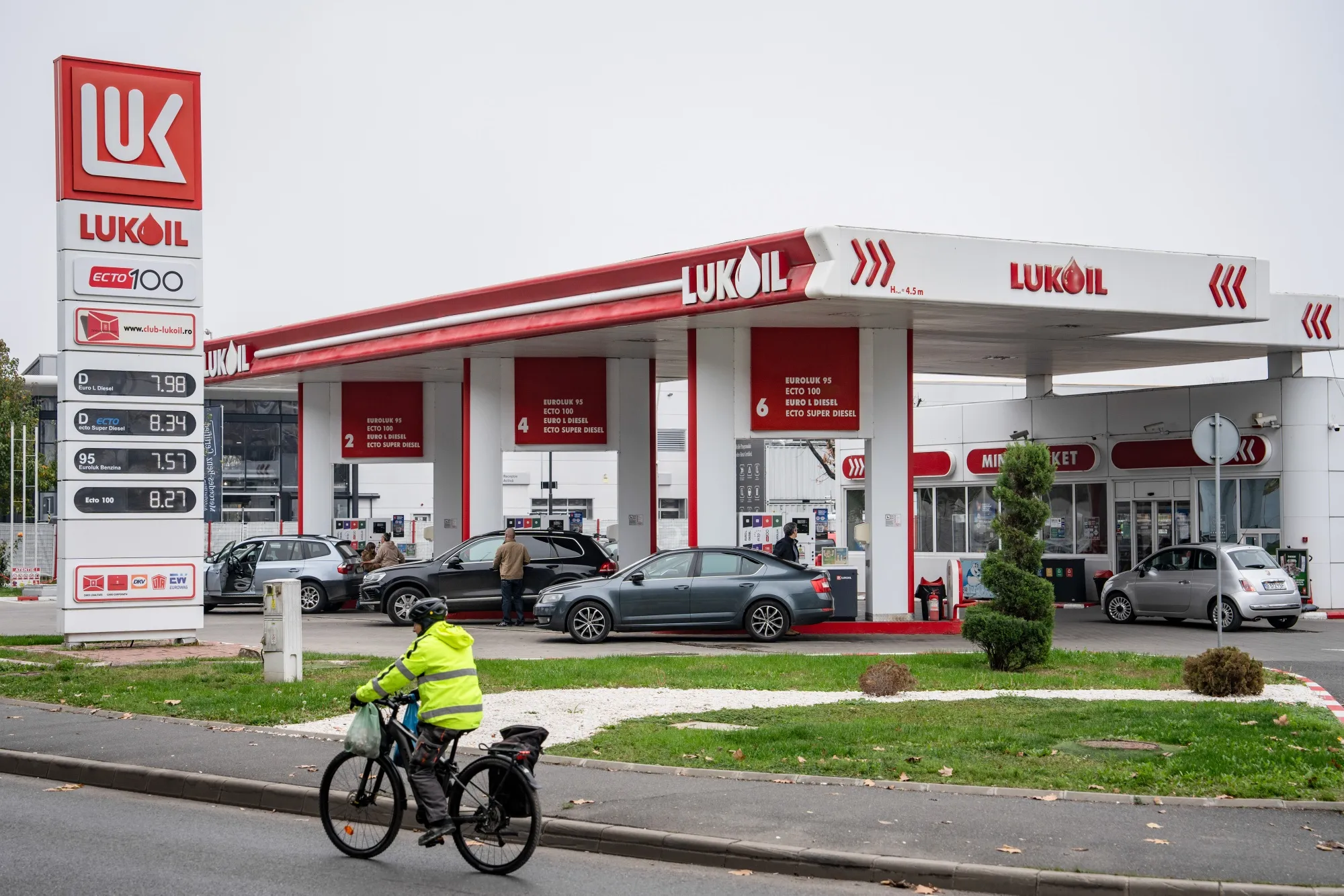
Lukoil’s foreign portfolio is valued at roughly $22 billion. Over decades, it built a global footprint with oil fields and refineries in Iraq, Egypt, Bulgaria, and Romania. In the U.S., it owns about 200 gas stations across New Jersey, New York, and Pennsylvania—mostly run by independent franchisees. These assets are now central to the Lukoil foreign asset sale.
Earlier attempts to sell failed. Last year, oil trader Gunvor—founded by a close ally of Vladimir Putin—made an offer. But the deal collapsed in November after the U.S. Treasury labeled Gunvor a “Kremlin puppet.” That left Lukoil scrambling for alternatives.
Its Kazakh assets remain separate. Lukoil holds a 5% stake in the massive Tengiz oil field, operated by a Chevron-led venture. The Kazakh government has expressed interest in taking over these holdings, though no formal transfer has occurred.
Notably, Lukoil was among the few Russian corporations to publicly call for peace after the 2022 invasion. Supporters argued that sanctioning such a globally integrated company would trigger economic ripple effects—especially in nations like Bulgaria, where its refinery supplies much of the country’s fuel.
Carlyle acknowledged this reality. In its statement, the firm noted that some Lukoil facilities are “critical to nations’ infrastructure and domestic energy security.” This recognition may help smooth regulatory approval.
In summary, the Lukoil foreign asset sale represents a strategic retreat under geopolitical pressure. If completed, it would significantly reduce Russia’s economic reach abroad—and signal how sanctions can reshape even the largest energy empires. Yet the deal’s success still hinges on U.S. oversight, global politics, and the fragile balance between national security and energy stability.