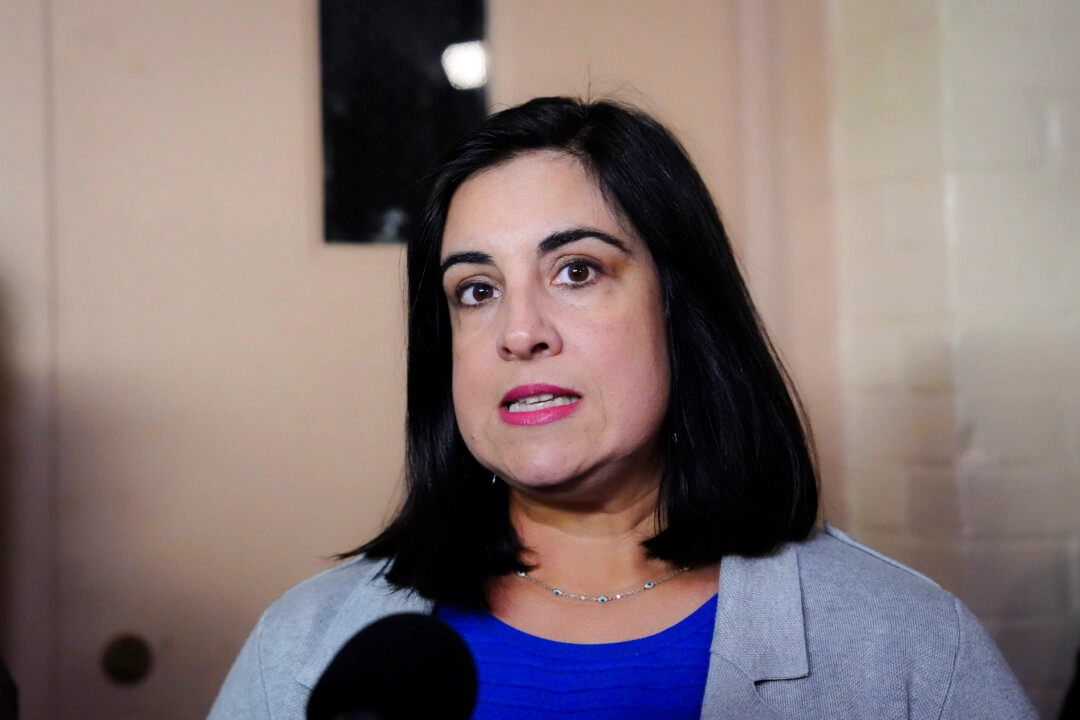
Rep. Nicole Malliotakis (R-N.Y.) is now in a legal fight after a New York court ruled that the boundaries of her district, the 11th Congressional District, are unconstitutional. This ruling, which mandates that the district lines be redrawn, has stirred up political and legal controversy as the 2026 Congressional elections draw closer. Malliotakis, along with voters from her district, has appealed the decision and is pushing for a delay in the implementation of the ruling.
The Dispute: Redrawing the 11th Congressional District
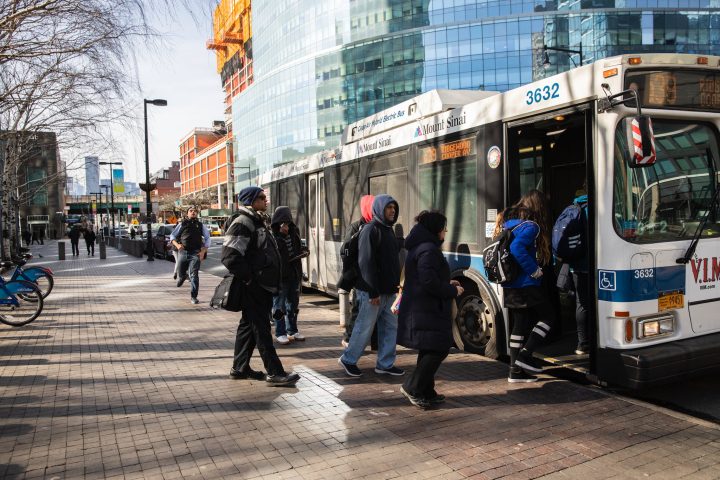
The controversy began after Justice Jeffrey Pearlman of the New York Supreme Court issued a ruling on January 21, 2026. Pearlman determined that the district boundaries violated the New York Constitution. He based his decision on Article III, Section 4, which prohibits district maps that dilute the voting power of racial or language minorities. Specifically, Pearlman argued that the existing district map, which merges parts of southwestern Brooklyn with Staten Island, unfairly affected Black and Latino voters in Brooklyn.
The court noted that the district lines created a disparity by combining the predominantly white, Republican-leaning Staten Island with the more diverse, Democratic-voting area of southwestern Brooklyn. The court found this arrangement diluted the voting influence of minority communities, which goes against constitutional protections. The ruling called for the Independent Redistricting Commission to redraw the district lines by February 6, 2026, just weeks before petition circulation for the 2026 elections.
Malliotakis’s Appeal: Legal Action and Political Implications
Malliotakis quickly filed an appeal against the ruling. She and a group of voters from her district argued that the redistricting should not take place during an election cycle. They emphasized that the current district boundaries have been in place for decades and have consistently followed historical geographical lines.
Malliotakis’s legal team, led by attorney Bennet J. Moskowitz, filed an urgent request for the court to delay the implementation of the redistricting decision. In a letter to the Court of Appeals, Moskowitz warned of the potential chaos that would follow if the district lines were altered immediately. The appeal stressed the urgency of the matter, with the start of New York’s Congressional elections set for February 24, 2026. Without a swift resolution, the redistricting could severely disrupt the election process. Malliotakis’s legal team has set a deadline of February 10, 2026, to secure relief, warning that they may seek emergency intervention from the U.S. Supreme Court if necessary.
Legal Grounds: Contesting the Redistricting Ruling
The legal battle centers around accusations that the current district map unfairly reduces the voting strength of minority groups. Malliotakis’s team contends that the district boundaries have been stable and should not be altered due to political pressure. They argue that the existing lines reflect long-standing geographical divisions and do not disproportionately harm any particular group of voters.
In addition to the redistricting challenge, the lawsuit has become a political flashpoint in New York. Malliotakis’s supporters argue that the lawsuit is politically motivated, orchestrated by Democrats who have struggled to challenge her through traditional electoral means. Malliotakis herself has expressed frustration, claiming that her opponents are using legal tactics to weaken her position. She also pointed out the irony of accusations that her district disenfranchises minority voters, considering she is the first minority woman to hold office in the 11th District.
Political Ramifications: The Struggle for District 11
This legal dispute over New York’s 11th District carries major political consequences. The district, which includes parts of Staten Island and southwestern Brooklyn, has been consistently represented by Malliotakis, a Republican. However, a redrawing of the district lines could shift the district’s political balance, especially as the demographics of southwestern Brooklyn become more diverse. This could create an opportunity for Democratic candidates to gain ground.
The lawsuit has received significant backing from progressive groups, with the Elias Law Group leading the charge. This group supports redistricting efforts, arguing that the current map disadvantages Black and Latino communities in the district. Aria Branch, a partner at Elias Law Group, celebrated the court’s decision, claiming it would better represent the interests of minority voters in the district.
Malliotakis, on the other hand, has framed the lawsuit as a politically motivated attack. She believes that her political opponents, unable to defeat her through elections, are trying to win through legal challenges. She has criticized the move as an attempt to undermine her leadership and the interests of her constituents.
The Timeline: Legal Appeals and Election Preparation
As the 2026 Congressional elections approach, time is running out to resolve the redistricting dispute. Candidates must begin collecting signatures to appear on the ballot starting on February 24, 2026. Any delay in the redistricting process could create chaos, making it difficult for candidates to collect the necessary signatures.
Malliotakis’s legal team has filed an emergency appeal to stop the redistricting order, urging the courts to act quickly. If the legal process drags on, the district lines could be changed at the last minute, throwing the election process into disarray. The tight deadline adds extra pressure on all parties involved to reach a resolution.
A Broader Context: Redistricting and Voting Rights in America
Malliotakis’s case is part of a larger national debate about redistricting and voting rights. Across the United States, redistricting has become a contentious issue as demographic changes reshape communities. Legal challenges over accusations of gerrymandering and manipulation of district lines for political advantage are common in many states.
The outcome of this case will have a significant impact on how district boundaries are drawn in New York and could influence future redistricting cases across the country. As the courts weigh the legal challenges, the central issue remains: How do we balance fair political representation with protecting the voting rights of minority communities? The Malliotakis case could set a critical precedent for these ongoing debates in American politics.