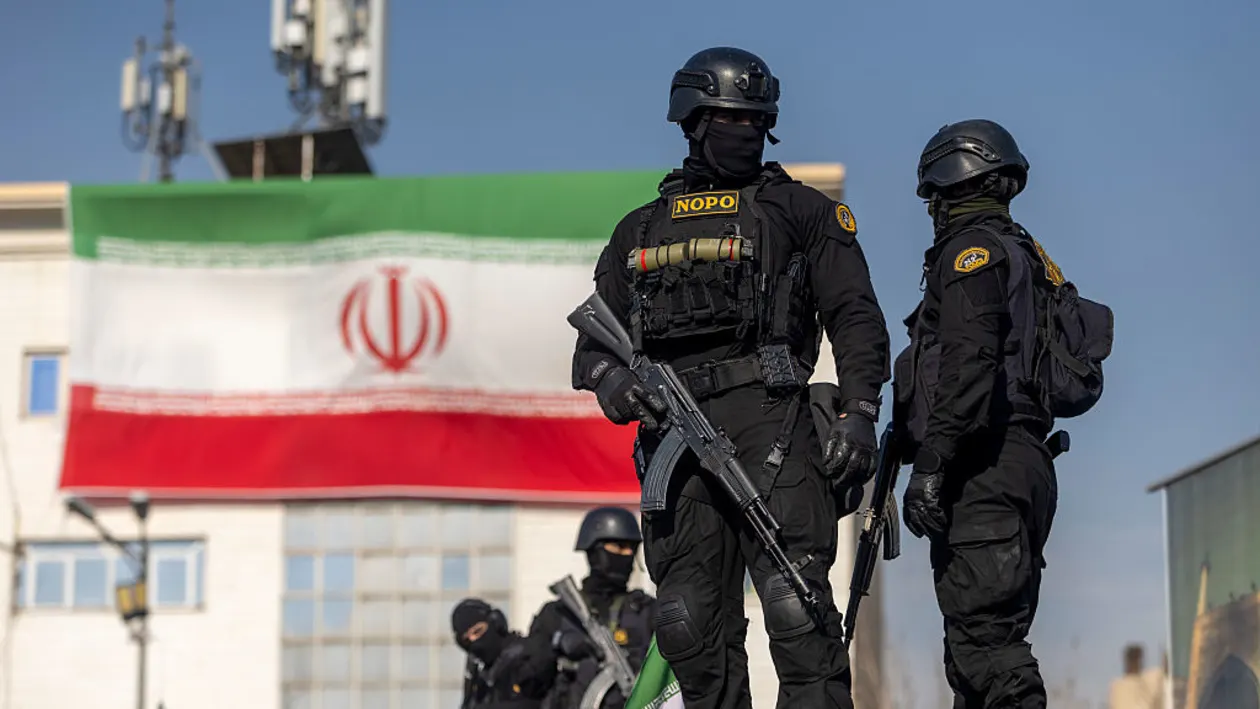
In a move that has heightened tensions between the United States and Iran, Iran temporarily closed its airspace on Wednesday, January 12, 2026, amid escalating political and military threats. This unprecedented action disrupted flight schedules across the region, with international airlines rerouting their flights to avoid Iranian airspace. The airspace closure comes amid growing concerns over the safety of civilian air travel as U.S.-Iran tensions continue to rise following protests in Iran and military threats from the U.S. This article explores the details of the airspace closure, its impact on global travel, and the broader geopolitical implications of the ongoing conflict.
Details of the Airspace Closure
Iran’s temporary closure of its airspace was announced late Wednesday by the Federal Aviation Administration (FAA), which confirmed that flights to and from Iran would be affected. The restriction was initially set to last from 10:15 p.m. UTC on Wednesday until 12:30 a.m. UTC Thursday, but it was later extended to 3:30 a.m. UTC Thursday. The airspace closure was imposed due to rising security concerns linked to the ongoing protests and threats of U.S. military intervention.
While most flights were rerouted, international flights to and from Tehran were allowed to operate, but only if they received prior approval from Iran’s civil aviation authority. Flight tracking data indicated that aircraft were flying around Iranian airspace as airlines sought safer routes through neighboring regions.
Impact on International Airlines
The airspace closure had an immediate impact on global airlines, with several carriers choosing to reroute flights to avoid Iranian airspace. Airlines from around the world, including major Middle Eastern carriers such as Emirates, Qatar Airways, and Turkish Airlines, canceled or rerouted flights. This move was in line with previous warnings from several countries, including Germany, which advised its airlines to avoid flying over Iranian and Iraqi airspace.
India’s largest airline, IndiGo, confirmed that some of its international flights would be impacted by the airspace restrictions. The Lufthansa Group, which includes Germany’s flagship airline, also announced that it would bypass Iranian and Iraqi airspace, with some flights canceled in response to the growing risk.
The U.S. government, meanwhile, has prohibited all American commercial flights from entering Iranian airspace. This restriction has further complicated travel for American citizens and airlines in the region.
Geopolitical Context: Rising U.S.-Iran Tensions
The closure of Iranian airspace comes at a time of heightened political and military tensions between the U.S. and Iran. Recently, the Iranian government has faced intense internal pressure due to anti-government protests, which have led to violent crackdowns by security forces. The protests have drawn international attention, with U.S. President Donald Trump repeatedly threatening military action if Iranian authorities continue to kill protesters.
Initially, Trump signaled the possibility of U.S. military intervention in Iran but later softened his stance after receiving assurances that the killing of protesters had ceased. Speaking at the White House on Wednesday, Trump stated that he would “watch it and see” regarding potential U.S. action. However, the situation remains volatile, with the U.S. withdrawing some personnel from military bases in the Middle East amid Iranian threats to strike U.S. locations if an attack is launched.
The U.S. has also increased its military presence in the region, while Iran has vowed to retaliate if provoked. The risk of military escalation has raised alarms about the safety of civilian air travel in the area, prompting airlines to adjust their routes accordingly.
The Broader Impact on Regional Stability
The airspace closure and the broader U.S.-Iran tensions underscore the precarious situation in the Middle East. The region has long been a focal point of geopolitical rivalries, with global powers like the U.S., Russia, and China vying for influence. The ongoing crisis in Iran adds a new layer of complexity to these rivalries, particularly as the U.S. and Iran continue to trade threats and diplomatic posturing.
The closure of airspace also has economic implications, as it disrupts global travel and trade. Iran is a key transit point for flights between Europe, Asia, and the Middle East, and disruptions to air traffic can have a ripple effect on regional economies. For travelers, the situation has created uncertainty, with many fearing for their safety when flying in or near the region.
The temporary closure of Iranian airspace marks a significant development in the ongoing U.S.-Iran tensions, further highlighting the instability in the region. The disruption to international flights serves as a reminder of the fragile state of affairs in the Middle East, where geopolitical rivalries and internal unrest continue to create uncertainty for global travelers. While the situation remains fluid, the airspace restrictions and the broader political context will undoubtedly continue to shape the dynamics of international air travel and regional security in the coming days.