The 2025 U.S. holiday shopping season has set a new benchmark for online spending, with total e-commerce sales reaching a record-breaking $257.8 billion, according to data from Adobe released on January 7, 2026. This marks a 6.8% year-over-year increase, surpassing Adobe’s initial forecast of $253.4 billion. The solid performance was primarily driven by the five-day holiday period from Thanksgiving Day through Cyber Monday, which alone generated over $44 billion in online sales.
This growth comes as retailers and consumers alike adapt to new trends, such as mobile shopping, the increasing popularity of buy now, pay later (BNPL) options, and the widespread use of artificial intelligence (AI) as a shopping assistant. Let’s break down the key drivers behind this record-breaking season and the shifts that are shaping the future of U.S. retail.
A Record-Breaking Cyber Week
Cyber Week, including the days from Thanksgiving through Cyber Monday, has long been the heart of the holiday shopping season, and 2025 was no different. Over this five-day period, U.S. shoppers spent more than $44 billion online. Cyber Monday emerged as the biggest e-commerce day of the season, with $14.25 billion in sales. This marked the highest single-day sales figure recorded in history, highlighting the growing importance of online shopping and the shift from in-store to digital retail.
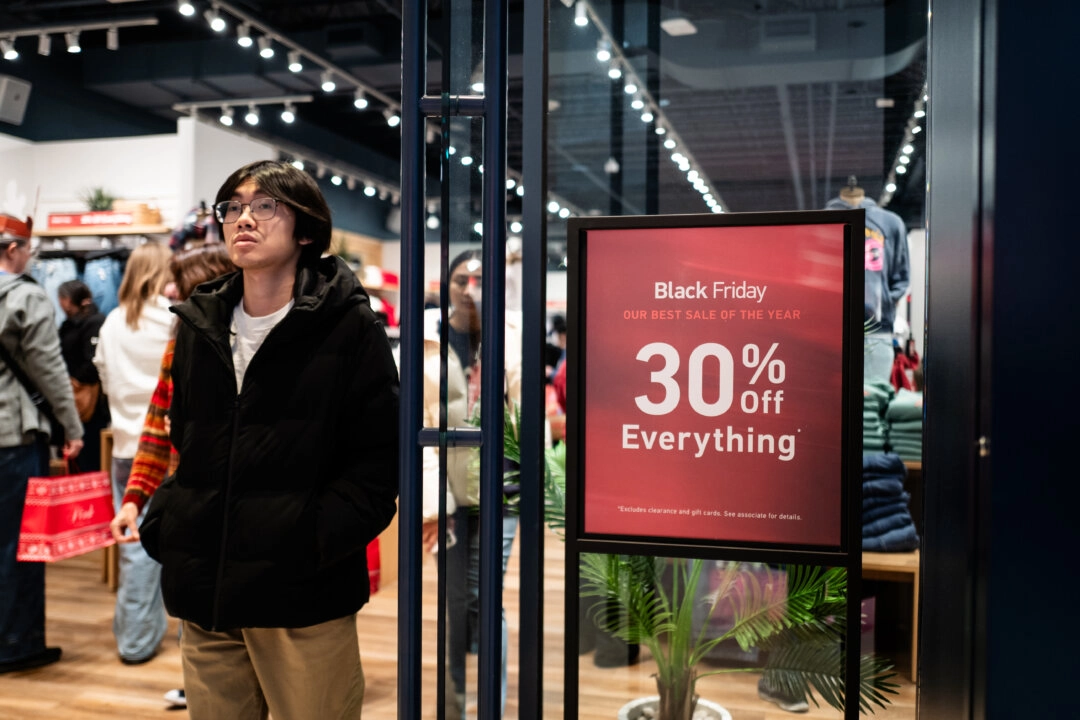
The surge in online shopping during Cyber Week was largely driven by cost-conscious consumers hunting for discounts. Retailers offered significant deals on high-ticket items, including electronics, toys, apparel, and home appliances. Discounts were more generous than in previous years, enabling shoppers to buy higher-priced products at reduced costs. This willingness to spend on premium products was key to the overall spending spike.
The Mobile Shopping Surge
Mobile shopping saw a major leap in 2025, accounting for 56.4% of all online transactions. This marks a significant milestone as more and more consumers are using their smartphones to browse, compare, and purchase goods. Mobile devices have become the go-to shopping platform, with many shoppers relying on them to make quick purchases while on the go.
Retailers have adapted to this trend by optimizing their websites and apps for mobile use, ensuring that the shopping experience is seamless across devices. This mobile-first approach has allowed shoppers to engage with retail offerings anytime and anywhere, making it easier to capitalize on time-sensitive deals and promotions. The increase in mobile shopping also reflects the growing influence of convenience and ease of access in shaping consumer behavior.
Buy Now, Pay Later: A Boon for Retailers
One of the standout trends of the 2025 holiday season was the widespread adoption of buy now, pay later (BNPL) programs. These flexible payment plans allow consumers to split the cost of their purchases into installments, making it easier for them to afford higher-ticket items without the immediate financial burden.
In 2025, BNPL options contributed a whopping $20 billion to total online spending, a nearly 10% increase from the previous year. Cyber Monday, in particular, saw BNPL usage reach new heights, with more than $1 billion in sales attributed to this payment method alone. Shoppers used BNPL programs primarily for apparel, electronics, furniture, and toys—categories where higher prices often prompt consumers to seek flexible payment options.
The growing popularity of BNPL has had a significant impact on how consumers approach holiday shopping. By allowing them to spread out payments over time, BNPL programs have made it easier for consumers to purchase items that they might not have been able to afford upfront, thereby boosting overall spending. Retailers have embraced this shift, as it helps drive sales while giving customers a sense of financial flexibility.
Generative AI: A Shopping Assistant Revolution
Another key trend that emerged during the 2025 holiday season was the increasing reliance on generative AI to assist consumers in their shopping decisions. AI-powered chat services and recommendation tools played a significant role in guiding shoppers to the best deals, helping them compare prices, and providing personalized product suggestions. According to Adobe, traffic to retail sites driven by generative AI surged by more than 693% year-over-year, demonstrating the value of AI as a shopping assistant.
Generative AI platforms, such as chatbots, were used extensively by consumers to locate deals, research products, and receive tailored recommendations based on their preferences. On Cyber Monday alone, AI-driven traffic to U.S. retail websites jumped by 670%. This shift in how consumers engage with technology has altered the traditional shopping experience, with AI becoming an integral part of how people interact with online retailers.
AI tools were particularly valuable for consumers shopping for items like appliances, electronics, personal care products, toys, and video games—categories that saw substantial interest during the holiday season. The ability to use AI to sift through countless options and find the best deals allowed shoppers to make more informed, intentional purchases, ultimately benefiting both consumers and retailers.
Return Trends and Post-Holiday Shopping
While the holiday season saw record sales, it also brought a familiar wave of returns, as shoppers reevaluated their purchases and exchanged unwanted gifts. According to Adobe, returns during the 2025 holiday season were down 1.2% compared to 2024, but they spiked by 4.7% in the five days following Christmas Day. In 2025, about one in seven returns occurred during this period, compared to one in eight the previous year.
The increase in returns is a common phenomenon after the holiday shopping rush, but retailers have become more adept at managing the post-holiday return process. With the rise of online shopping, returns have become a critical part of the retail experience, and many companies have streamlined the process with free return shipping and easy exchanges to ensure customer satisfaction.
AI and the Shaping of the Future Retail Landscape
The 2025 holiday shopping season was a significant moment in the evolution of retail, as new technologies like AI and BNPL reshaped consumer behavior and spending habits. AI, in particular, has revolutionized how retailers engage with shoppers, providing a more personalized and efficient shopping experience. With AI’s increasing influence, retailers are poised to make smarter decisions about product offerings, marketing strategies, and customer service.
Wayne Best, chief economist at Visa, remarked that AI played a pivotal role in shaping how consumers discovered products, compared prices, and interacted with offers during the holiday season. He believes that this trend will only accelerate in the coming years, with AI helping to create a more informed and intentional consumer base.
For retailers, AI provides an opportunity to understand consumer behavior more deeply and offer tailored recommendations that drive sales. It also allows brands to better anticipate customer needs, create personalized shopping experiences, and improve overall operational efficiency.
The Global Race for Quantum Computing: A Look Ahead
As we look toward the future, one area that is likely to have a profound impact on retail and consumer shopping experiences is quantum computing. Companies like Google, IBM, and Microsoft are working on developing quantum computers that could revolutionize everything from inventory management to personalized marketing.
For now, AI and BNPL options are driving the evolution of retail, but the next decade could see even more profound changes as quantum computing and other technologies mature. As these new technologies emerge, they will undoubtedly continue to reshape the way we shop, purchase, and interact with brands.
A Record-Breaking Holiday Season with Lasting Impacts
The 2025 U.S. online holiday shopping season was a historic one, with $257.8 billion in total sales, fueled by new shopping behaviors and innovations like AI and BNPL programs. With mobile shopping continuing to rise and AI playing an increasingly crucial role in decision-making, retailers and consumers alike are adapting to a rapidly changing retail landscape.
As the trends from this holiday season indicate, the future of shopping is increasingly digital, flexible, and tech-driven. From AI-powered assistants to flexible payment methods, the consumer experience is evolving at a breakneck pace. Retailers who can harness the power of these technologies will be well-positioned to thrive in the coming years, while those who fail to adapt may find themselves falling behind.